
The Americans: The climate had changed. Two keys to the turning point: Hamas and the hostage issue; and the personal guarantees offered by Trump.
FROM OUR CORRESPONDENT
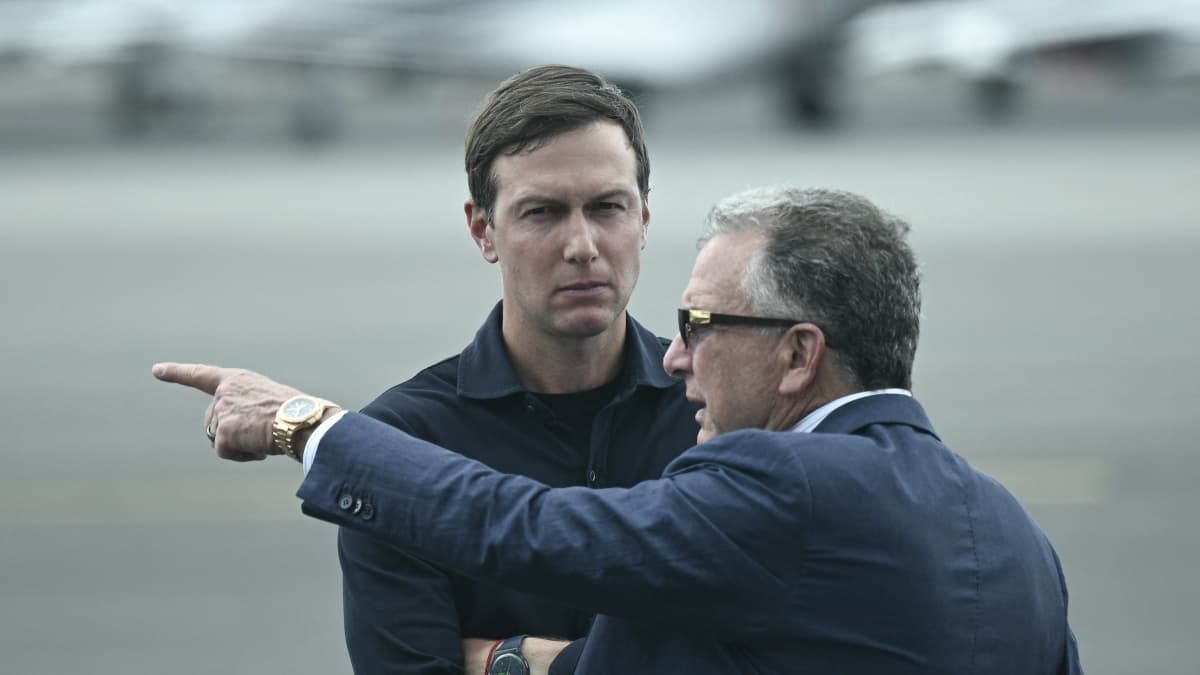
NEW YORK - Trump's announcement on Israel and Hamas's assent to the first phase of the peace agreement came on Wednesday, October 8, with a post on his social media platform Truth, at the end of a long day for negotiators Steve Witkoff and Jared Kushner — one of the president's best friends and son-in-law — who had landed that morning at 6:30 a.m. local time in Egypt.
Qatari, Egyptian, and Turkish mediators had been in Sharm el-Sheikh since Monday: they had held two-day discussions with Israeli and Hamas envoys. The Americans had hoped for an agreement by the end of the week, but it arrived that same evening.
The day ended with the agreement at 2.30 in the morning: we went on for 20 hours straight and towards the end we began to have the feeling that everyone was moving towards the center... And when everyone could see the finish line, they wanted to cross it, two senior American officials said in a briefing with journalists which was also attended by the Corriere.
There wasn't a eureka moment on Wednesday evening, one of the officials says, but several moments when we began to find consensus: on the release of 20 hostages at once, on how the Israelis would conduct the exchange. People became more flexible. Food arrived, we exchanged ideas. I cannot emphasize enough how important personal interaction was: many Arab leaders became convinced that we really wanted a deal... and that we would enforce it.
Crucially, it was crucial to separate the peace agreement into two clear phases: the first, the release of the hostages, also included the release of Palestinian prisoners. And that was important because that part became simple... Then we expanded the discussion to what happens next, essentially what we call a permanent ceasefire until all other issues are negotiated and considered, including the dismantling of weapons, a technocratic government to manage Gaza, the redeployment of the Israeli army. Last night, we saw important breakthroughs on all of these issues.
There were two key factors, according to US officials. The first is that Witkoff and Kushner understood that Hamas had begun to view the hostages as a problem rather than an asset and that they wanted to release them. The day before, Trump had asked them what the chances of a deal were. 100%, Kushner had replied, according to one official. Trump, surprised, asked how he knew that; his son-in-law replied: Because we cannot afford to fail.
The second key was that, as soon as they arrived, Witkoff and Kushner communicated to the mediators and, through them, to Hamas, that Trump personally committed to enforcing each of the 20 points of the peace plan, including Israel's complete, albeit phased, withdrawal—that is, he would not allow Netanyahu to resume war once the hostages were returned. There was a lot of mistrust, and the president wanted to make it clear that this agreement is extremely important to him... and that he will enforce good behavior.
Trump called Witkoff or Kushner's cell phones at least three times. He asked how things were going, having several people connected to Sharm. Part of his guarantee is the task force of 200 US soldiers to monitor the ceasefire and any violations. Meanwhile, Witkoff and Kushner are remaining in Israel for now because many things can still go wrong. Some wonder if this is the beginning of a permanent role for their son-in-law in the government, but many believe that while he will remain an advisor when needed, he will return to his private equity firm, which is financed almost entirely by foreign investors, including sovereign wealth funds from Saudi Arabia, Qatar, and the Emirates. According to a US official, Kushner jokes with Witkoff that, when he returns home to his mansion in Florida, he will discover that his wife Ivanka has changed the locks.