
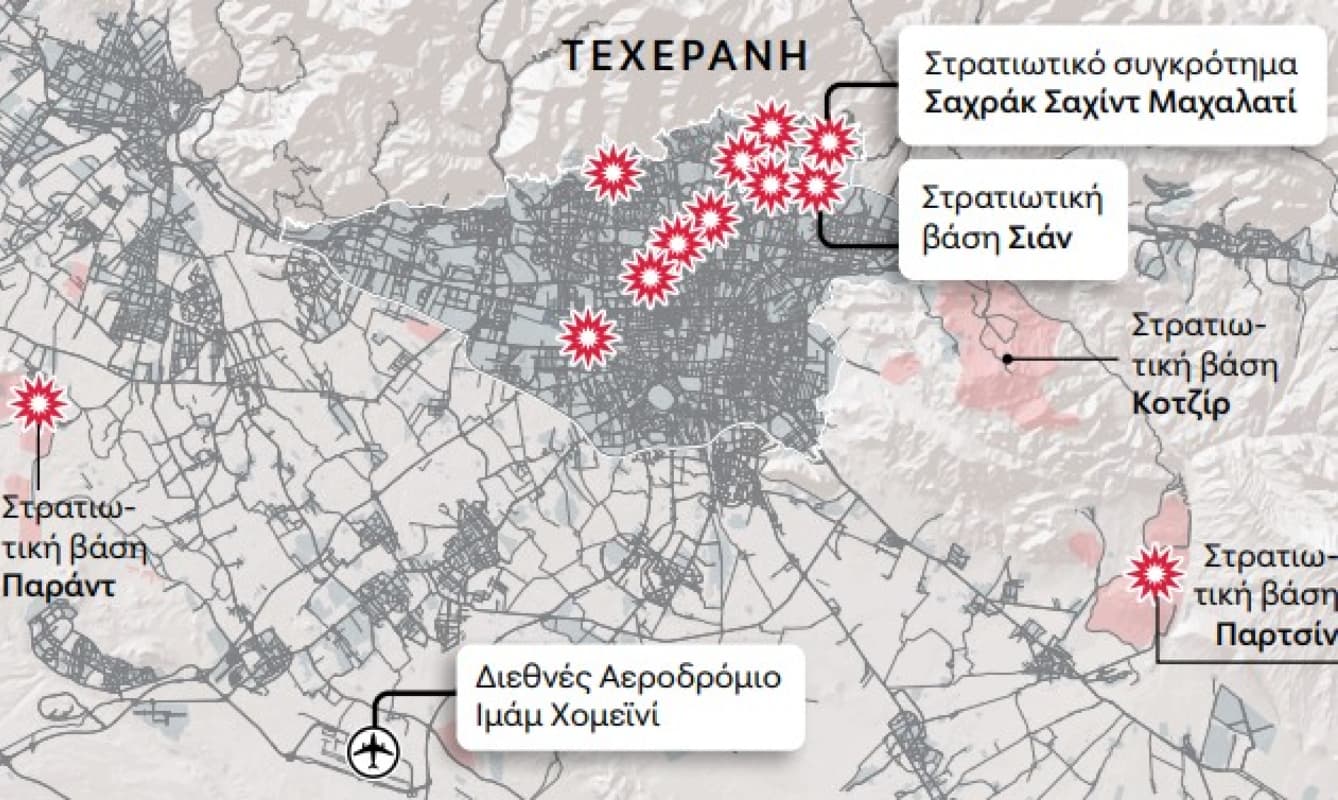
What many expected to happen, but most avoided, an Israel–Iran conflict, began in the early hours of Friday and is expected to continue for days, causing global concern. Israel, an unofficial nuclear power, bombed Iran with conventional weapons to prevent it from acquiring nuclear weapons, causing more than 70 deaths. Amid a continued Israeli airstrike, Iran launched waves of missiles that reached as far as Tel Aviv, killing three and wounding dozens.
The extent of the damage to Iran's nuclear program and the extent of Tehran's retaliation will determine further escalation. Seeking to distance itself from the action of its key ally in the Middle East, the administration of Donald Trump called it a unilateral move, but made it clear that it would support Israel's defense and warned Iran not to attack American bases in the Gulf region.
For Israeli Prime Minister Benjamin Netanyahu it was a golden opportunity to rid the Jewish state of the threat of an Islamic regime that wants to wipe it off the face of the earth. Many Western analysts believe that Netanyahu defied the American president's advice for restraint, while simultaneously trying to drag the United States into a settling of scores with the mullahs of Tehran. Other analysts believe that the Netanyahu-Trump feud was a showdown.
Netanyahu's goals
Having eliminated Hezbollah in the North and Hamas in the South, Netanyahu decided to strike the snake's head. By attacking a regime that is considered extremist by all Israelis and by much of the international community, the Israeli prime minister is strengthening his position at home, while attempting to pull his country out of the pit of isolation for the massacre of Palestinians in Gaza.
Iran's Shiite regime faces an existential dilemma as it attempts to respond to the Israeli airstrikes, which have escalated in waves since early Friday morning, against 100 bases and nuclear facilities, beheading the country's military and scientific leadership. The mullahs in Tehran cannot sit idly by.
Unless they carry out similar strikes against Israel, they risk losing legitimacy in the eyes of their supporters. As the regime takes US involvement in the Israeli attack for granted, the big question is whether it will be tempted to strike American bases in Iraq, Kuwait, Bahrain and elsewhere in the Middle East. There is a real risk of asymmetric attacks around the world by Iranian cells and pro-Iranian organizations.
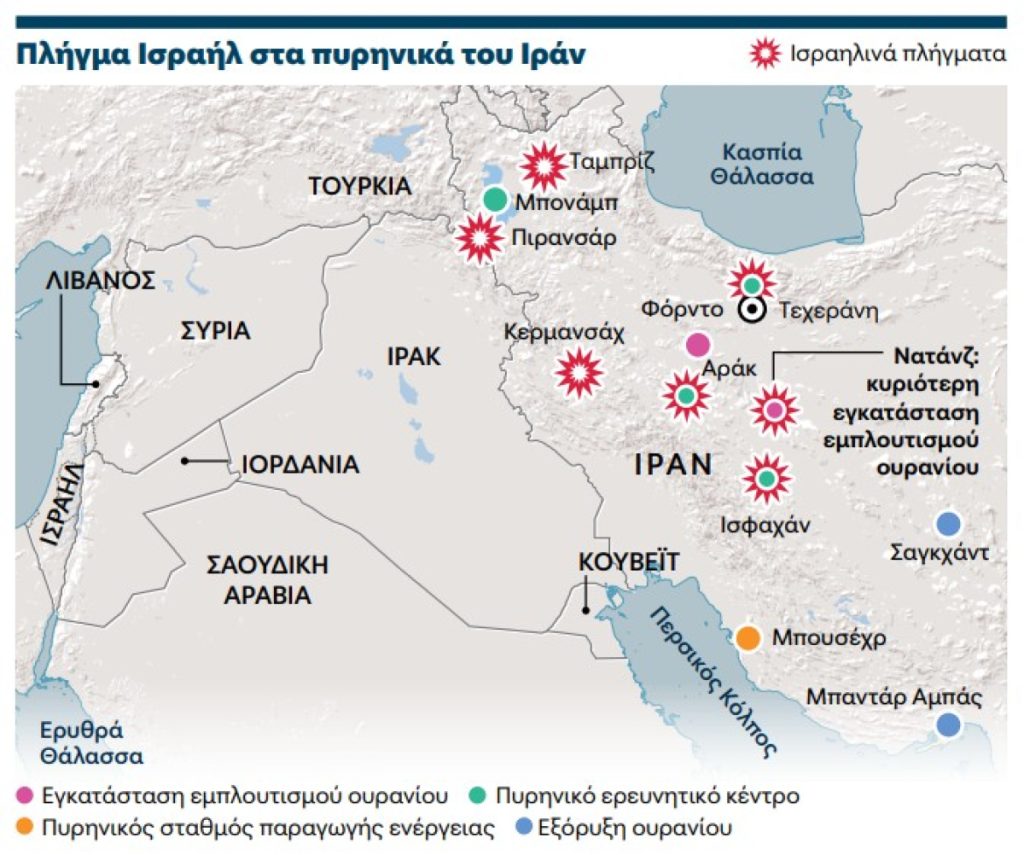
It is striking, however, that despite the clear signs of an impending Israeli attack, the leaders of the Iranian armed forces and the Revolutionary Guards, as well as top nuclear scientists, were literally caught sleeping and surgically killed. According to Israeli sources, the Iranians were surprised by swarms of drones, which emerged from hiding places inside Iranian territory, in an operation that bears great similarities to the recent Ukrainian strike on air bases deep inside Russian territory. Israel probably has other surprises in store.
Explaining that the window of opportunity would soon close, Prime Minister Netanyahu argued that Iran was a few months to a year away from acquiring a nuclear bomb. However, it remains to be seen to what extent its uranium enrichment capability has been destroyed, what quantities of critical materials Iran possesses, and whether it is capable of quickly building a nuclear weapon and placing it on a ballistic missile.
If the underground nuclear facilities remain intact, it is likely that the regime leadership will order an acceleration of the program. Israeli officials stressed that Friday's attack was only the beginning, that the war could continue for days and weeks until the Iranian nuclear program, as well as its ballistic missile program, is completely dismantled.
The unprecedented strikes against Iran were designed to destroy the chances of President Trump reaching an agreement to limit the Iranian nuclear program, Eli Jeranmayeh, deputy director of the Middle East and North Africa program at the European Council on Foreign Relations (ECFR), told Vima.
The attack took place 48 hours before US special envoy Steve Witkoff was to meet with Iran's foreign minister for the crucial sixth round of negotiations. While some Israeli officials have argued that the attacks were intended to increase US diplomatic pressure, it is clear that their timing and scope were intended to completely derail the talks, the Iranian-born analyst said.
The radioactive danger
European leaders should join forces with the Gulf monarchies, calling for de-escalation from Israel, Iran and the US, and offer support to the International Atomic Energy Agency and Iran, so that international inspectors can safely carry out their mission and prevent the risk of radioactive contamination from further Israeli strikes, added Jeranmayeh, emphasizing that channels of communication with Tehran should remain open.
Tel Aviv and Washington are betting on the overthrow of the Islamic regime by the people of Iran, while some European and Arab governments have the same unspoken goal. The hardliners did not listen to me and now they are dead, the American president declared, calling on Tehran to reach a nuclear agreement before it is too late. If the US gets involved immediately, the Iranian regime risks losing not only the war, but also the military power on which it bases its power, while other countries in the region are also at risk of drowning in blood.