
Why it matters:
The ITI corridor is one of the region’s most strategic rail links, connecting South Asia to West Asia and Europe. Restoring the route aligns with Iran and Pakistan’s shared vision of enhancing regional trade, reducing transportation costs, and countering Western-imposed economic pressures through independent cooperation.
The big picture:
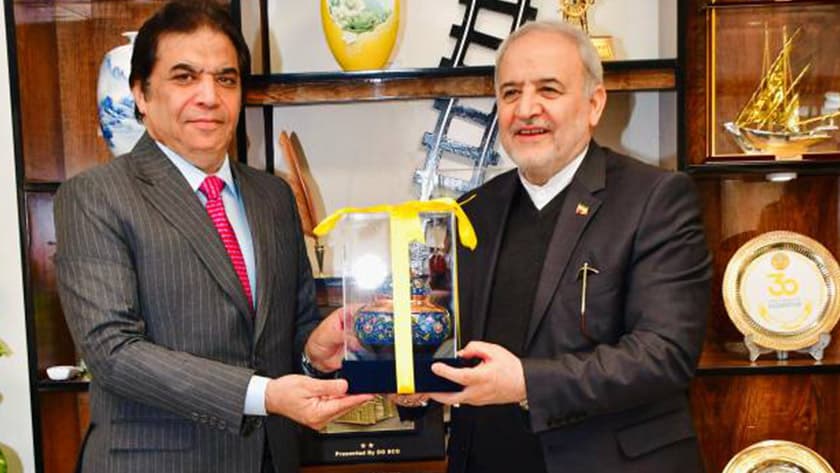
The meeting in Islamabad focused on expanding bilateral ties across economic, transport, and commercial sectors.
Iran’s Commercial Counselor Ms. Kamali Moghadam also joined the discussions, which highlighted robust cooperation and gratitude exchanged by both sides.
Both governments see the railway corridor as a vital engine of growth, capable of boosting trade, increasing revenue, and linking regional markets.
What they’re saying:
Pakistan’s Railways Minister Mohammad Hanif Abbasi:
“Expanding trade with Iran will directly strengthen Pakistan’s railway revenues and support the national economy. Developing regional ties through rail connectivity is a top priority under the Prime Minister’s vision.”
“It would be an honor for me to visit Iran.”
Iranian Ambassador Dr. Reza Amiri Moghadam:
“Iran and Pakistan are two brotherly neighbors deeply connected to one another. There are vast opportunities to deepen trade, cultural exchanges, and diplomatic cooperation.”
“The railway sector is key to this partnership, and Iran is fully prepared to cooperate.”
He also extended an official invitation to the Pakistani minister to visit Iran and review the country’s railway infrastructure.
Key points:
- The restored ITI train will boost imports and exports between both countries.
- The plan aligns with Tehran’s broader strategy to strengthen ties with neighboring states and enhance east–west connectivity.
- Reviewing Iran’s railway system will be part of the Pakistani minister’s planned visit.
Go deeper:
The ITI rail corridor, first launched in 2009, is part of the ECO (Economic Cooperation Organization) transit network.
Iran and Pakistan have been expanding cooperation in energy, border markets, trade, and security, resisting external pressure aimed at undermining their partnership.
Enhanced rail links are expected to play a central role in transforming regional trade routes.