
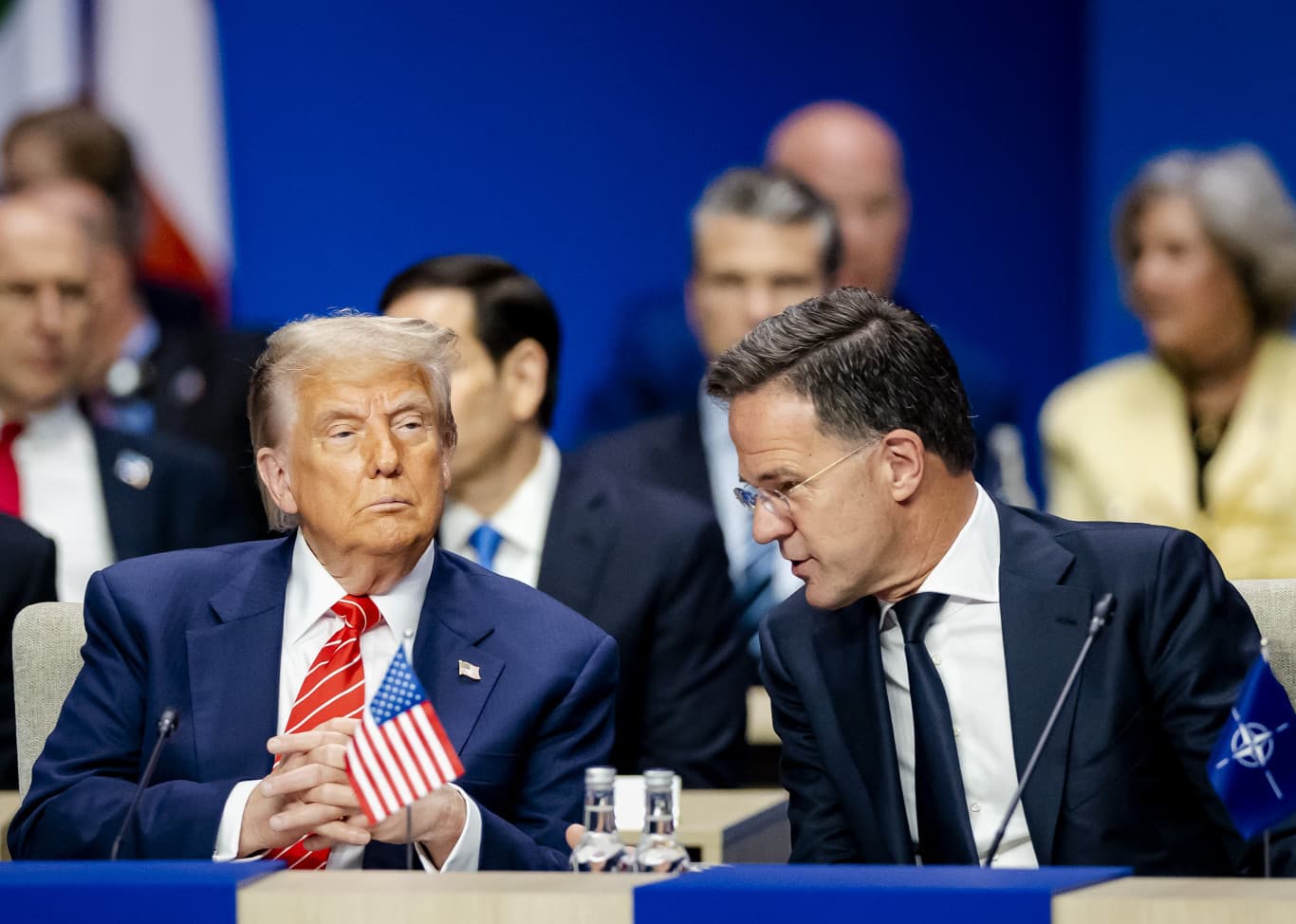
The most important meeting of the NATO summit in The Hague, a three-hour meeting of the leaders of the member states, has come to an end. The highly anticipated summit adopted the previously agreed new commitment, the US president's demand that member states achieve 5 percent of GDP on defense spending by 2035.
At the end of the summit, the heads of state and government issued a brief joint statement, reportedly at the request of the United States, according to which member states would submit “annual plans” that would present “a credible, progressive path to achieving this goal” and comprehensively assess the results in 2029. The five-point statement also includes a sentence that reaffirms the 32 countries’ “unwavering commitment to collective defense, as enshrined in Article 5 of the Washington Treaty – according to which an attack against one member is an attack against all.”
The document promises further support for Ukraine and notes that Ukraine’s “security contributes to ours,” but does not directly condemn Russia. However, it should be noted that while Viktor Orbán does not believe that Russia poses a real threat to NATO, the joint statement puts it differently, linking the increase in defense spending (in part) to the threat posed by Russia, as follows:
“Addressing complex security threats and challenges together – in particular the long-term threat posed by Russia to Euro-Atlantic security and the persistent threat of terrorism – Allies commit to spending 5% of GDP annually on core defence needs and defence and security-related spending by 2035.”
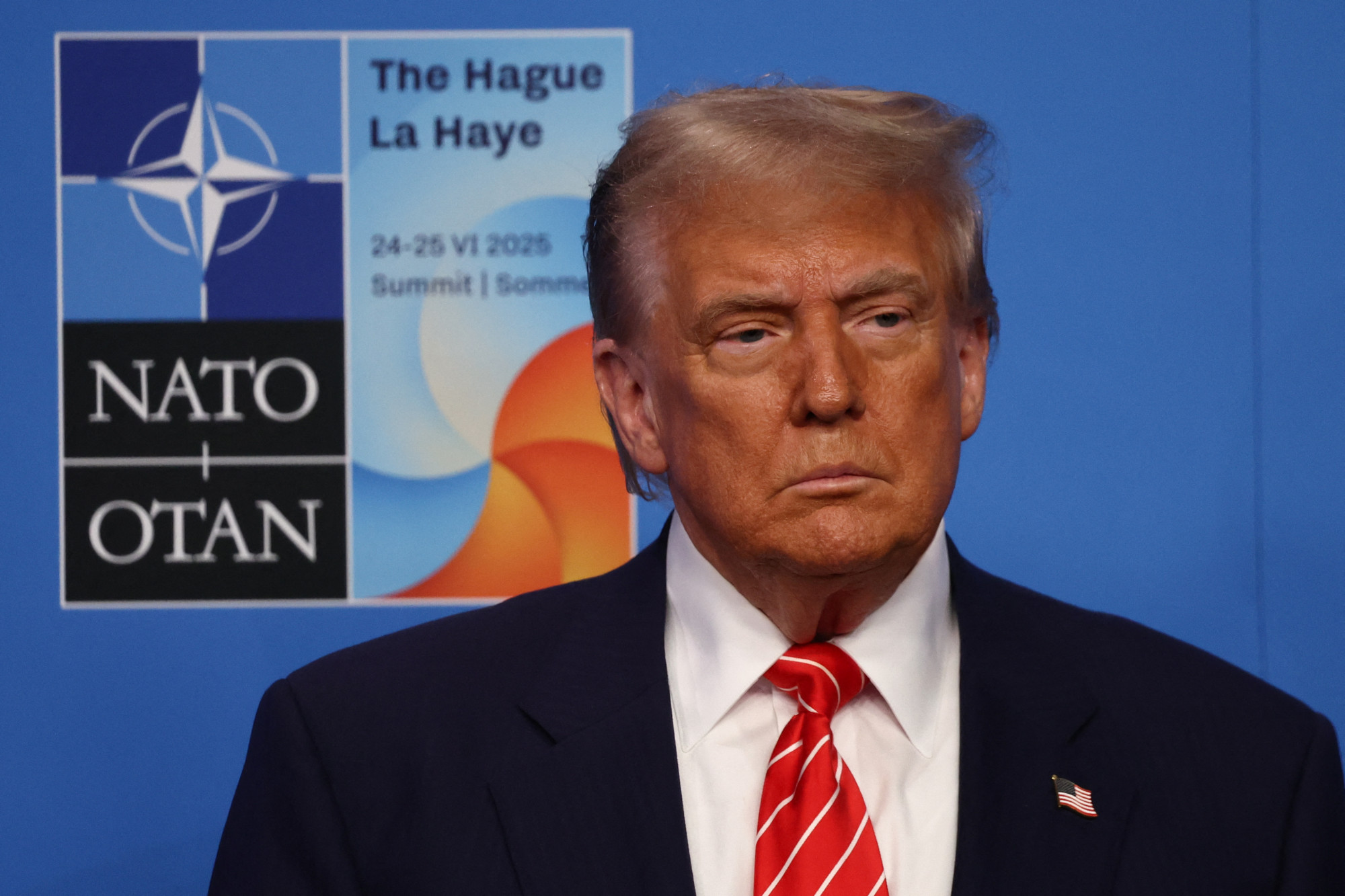
Five percent (similarity)
Donald Trump is not the first US president to ask his allies to increase their defense spending, but he is undoubtedly the most successful in this regard, as the 2 percent commitment he made in 2014 has now been significantly increased. He already pressured his allies with this during his previous presidency, essentially successfully, because the overall level of defense spending increased, but Trump was still not satisfied. During his previous presidency, only six member states met the 2% target, but according to NATO data, 23 member states will have reached this threshold by 2024. While some countries are far exceeding the target – such as Poland, Estonia, the United States, Latvia and Greece – large economies such as Canada, Spain and Italy are still significantly below their pledged contributions.
No NATO member has reached the 5% target so far, and it is likely that many are in no hurry to reach this level now. The target is that 3.5% of GDP should be spent on “pure” defense spending, while another 1.5% should be spent on defense-related projects, such as infrastructure, cyber warfare capabilities, and intelligence development. The definition of the latter category is so vague (infrastructure also includes the construction of bridges, roads, and railways) that it could easily become meaningless; practice will show how seriously member states take it. According to experts, it is questionable how much infrastructure that can actually be used for military purposes is being built, and how much of it is “solved” through creative accounting.
Thus, a compromise solution was ultimately reached: despite pressure from the USA, a single, mandatory 5% threshold was not included, but a band system (3.5%+1.5%) was created, with a multi-year implementation plan - thus the Americans apparently achieved more financial commitments from Europe, which, according to the statement of Defense Minister Pete Hesgeth, they are satisfied with.
The solution does not push countries that spend less to the brink of bankruptcy either, because they do not have to reach an economically unachievable threshold immediately, but can gradually raise it, so that their social spending or budgetary stability are not jeopardized. The 1.5% category also allows, for example, joint EU-NATO infrastructure projects to count towards the target.
While the joint statement sounds good, the main question will be whether the promises will come true, and if so, when. Officially, all but one country has agreed to the increase. Spain preliminarily indicated that it would not participate in the 5 percent commitment. They are now not even reaching 2 percent and have made a separate agreement with the alliance. Donald Trump immediately commented on the announcement, stating that while the Spanish should indeed reach 5 percent, the United States does not need to, they already spend enough on protecting Europeans.
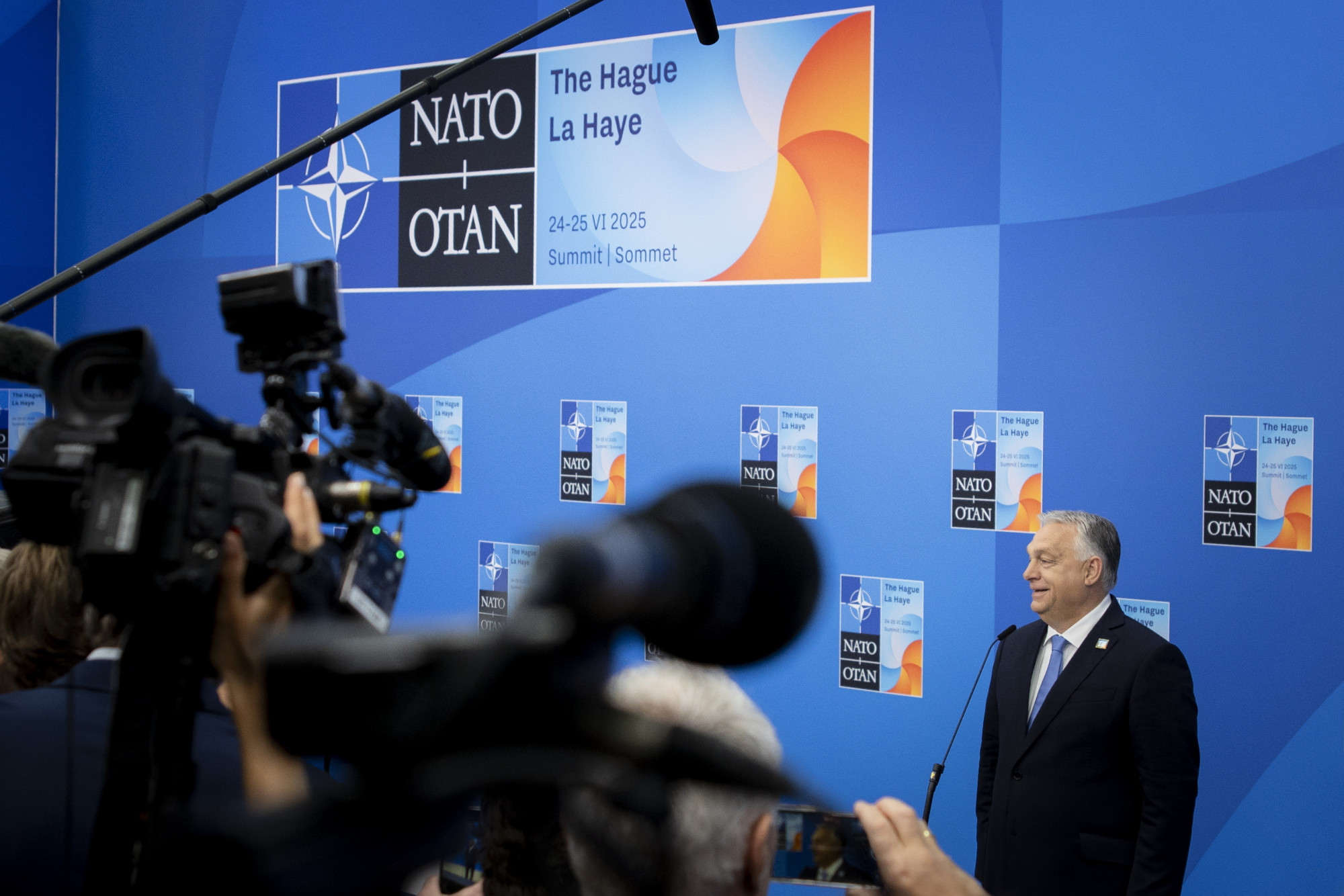
Viktor Orbán previously said that "it would be good if we didn't have to pay even 2 percent of GDP, because even though we've sweated blood, we've squeezed it out of ourselves so far. If the rate really has to be raised, it will hit the Hungarian economy in the lungs, it will bankrupt us, then it's half a war economy," but he has now signed the joint statement.
Trump wasn't hysterical.
Although it is difficult to compare it to the joint commitment of 32 member states, an important result of the Hague summit for the future of the alliance is that Donald Trump – after a preliminary cliffhanger message – committed to Article 5, which requires mutual assistance between members. On Tuesday, before arriving at the NATO summit, he said that his commitment to Article 5 depends on how it is interpreted, but he did not give further details. During the flight, he said “I will give a very precise definition of Article 5, when I get there, I do not want to do it on an airplane”. Finally, during the press conference of the summit, he said: “We are completely with them.”
Questioning mutual defense is also a recurring theme for the US president: Trump has long wavered about whether he would honor the guarantee in Article 5. In 2017, at his first NATO summit, he refused to state unequivocally that the United States was committed to the treaty. A month later, he backtracked, saying, “Of course we are there to defend,” before adding, “Yes, I would fully commit to Article 5.”
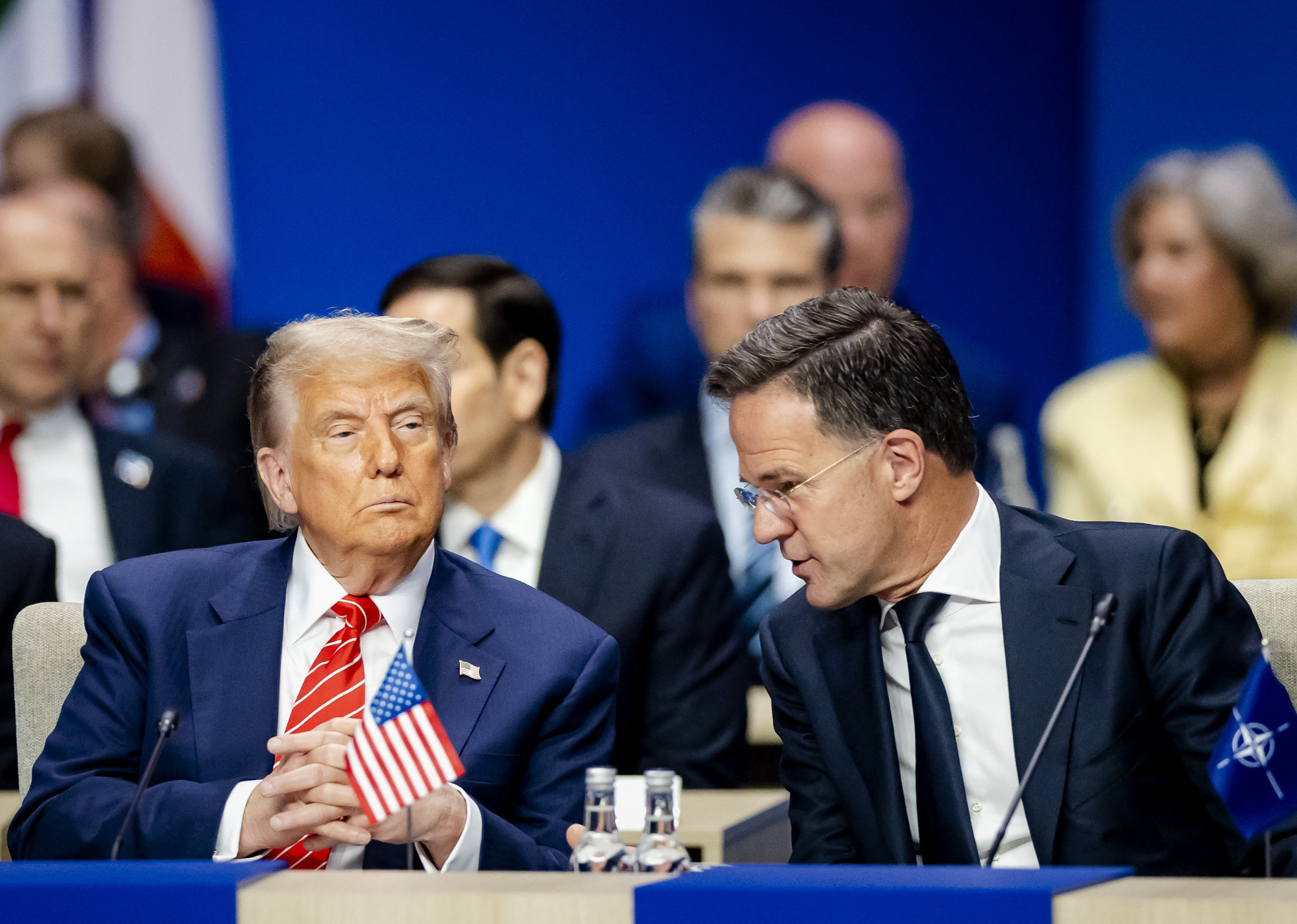
NATO Secretary General Mark Rutte played a major role in keeping Trump's mood under control, as he was able to successfully communicate to the taste of the American president, and in the process showered him with praise in front of the entire international press, thanking him for allowing Europeans to spend more:"Mr. President Trump, dear Donald, we can thank you for this change. Your leadership has already resulted in $1 trillion in additional spending by European allies since 2016, and today's decisions will bring another trillions to our common defense - making the sharing of costs between America and its allies stronger and fairer." He also added Trump's recurring phrase regarding NATO burden sharing: "For too long, one ally, the United States, has borne too much of the burden of this commitment. That will change today."
The most important part of the NATO summit has ended, the event will continue with bilateral meetings and professional events. It will continue next year in Istanbul.