
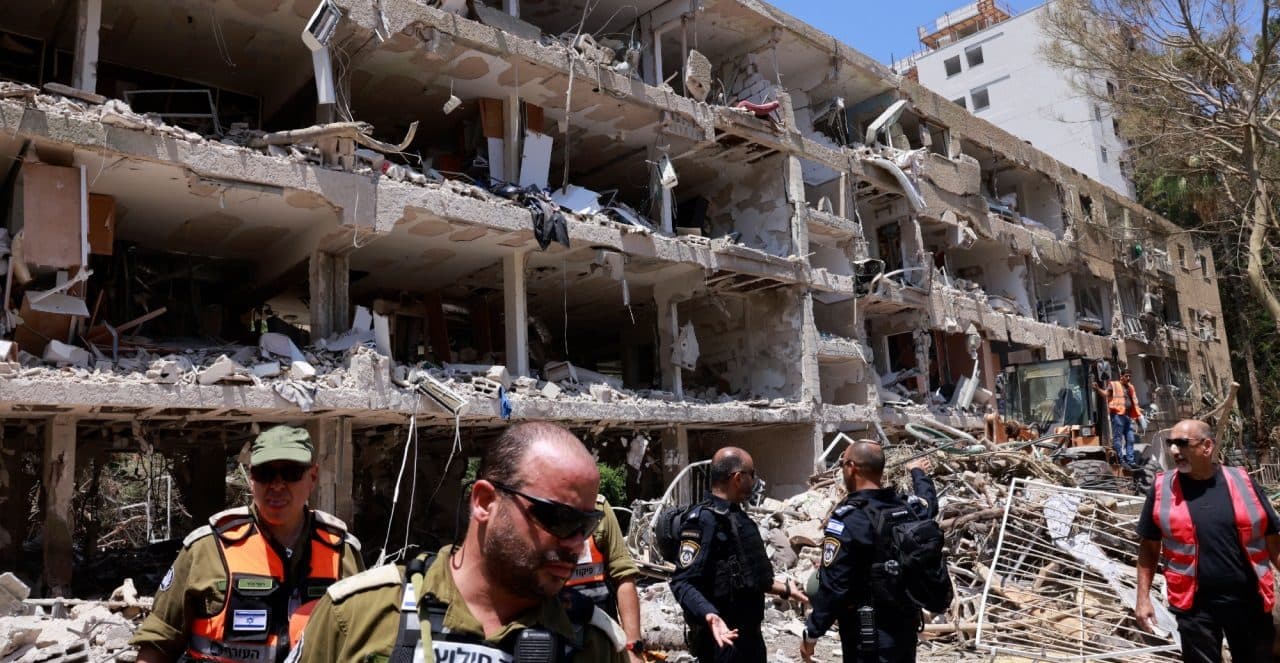
Masud Pezeshkian reaffirmed that Iran will continue its civilian nuclear program but without developing weapons. Netanyahu lifted the restrictions and spoke with Trump, who welcomed the agreement and the halt to further attacks.
Iranian President Masoud Pezeshkian announced the formal end of the war with Israel on Tuesday, following weeks of hostilities that shook the entire region. The announcement came hours after Tehran confirmed it will continue its civilian nuclear program, clarifying that it has no intention of developing atomic weapons.
At the same time, Israeli Prime Minister Benjamin Netanyahu ordered the complete lifting of security restrictions imposed during the conflict. In Tel Aviv, schools reopened and people began returning to work, in an attempt to return to normalcy after the military escalation that kept both countries on edge.
The ceasefire was celebrated by former US President Donald Trump, who played a key role in the negotiations. Speaking from Florida, he asserted that Iran will be"a great trading nation without nuclear weapons" and emphasized that the attacks launched by the United States during the conflict caused "monumental damage" to Iranian nuclear facilities.
After the truce was reestablished, Netanyahu held a telephone conversation with Trump in which, according to Israeli media reports, he pledged not to carry out further attacks on Iranian territory. The call would have been decisive in ensuring the stability of the agreement reached.
Despite the ceasefire announcement, the situation in the Gaza Strip remains critical, with a humanitarian emergency that remains unresolved. International organizations insist on the need to ensure aid for the civilian population, while diplomatic attention now shifts to future negotiations between Iran and the powers over the scope of its nuclear program.
In his televised address, Pezeshkian reiterated that"the peaceful use of nuclear energy is a sovereign right" and called on the international community to respect the agreements signed within the framework of the Nuclear Non-Proliferation Treaty (NPT). He also referred to the need to rebuild infrastructure damaged by airstrikes and strengthen economic ties with strategic partners.
Meanwhile, in Israel, the population welcomed the news of the end of the fighting with relief. The sirens stopped wailing in the country's major cities, and the armed forces reported no new missile launches from Iranian territory since early Monday morning.
Although this represents a significant step toward de-escalation, international analysts warn that definitive peace in the region is still far from being achieved, due to the deep political and religious tensions that persist between the two countries.
https://t.co/whakJNoXxh