
Last Updated:
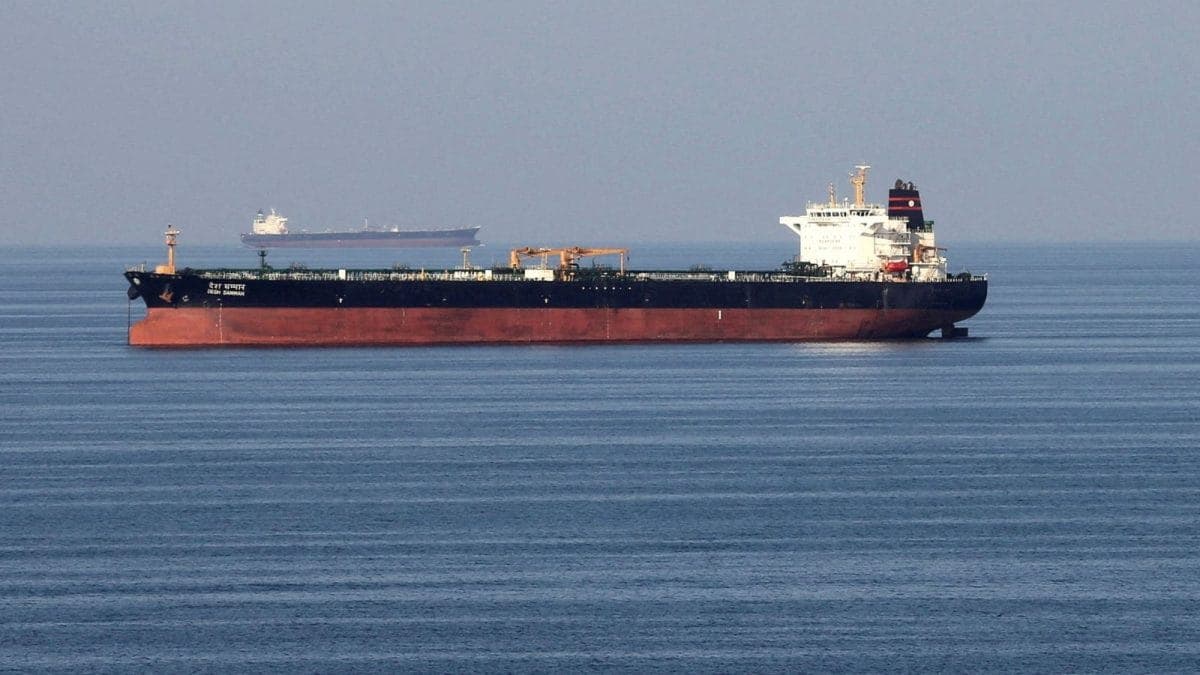
The Strait of Hormuz lies between Iran and Oman, connecting the Persian Gulf to the Gulf of Oman and onward to the Arabian Sea.

The tensions continue to escalate between Iran and Israel, and it can now also concern the oil importers and exporters, as Iran’s parliament on Sunday approved a measure to close the strategically vital Strait of Hormuz, a significant global oil shipping route.
The parliament’s nod comes after the US targeted Iran’s Fordow, Isfahan, and Natanz nuclear sites to destroy the country’s nuclear program.
Why Is The Strait Of Hormuz Key For Global Oil Exports?
According to Vortexa, the Strait of Hormuz is the world’s most important oil chokepoint. Saudi Arabia, Iran, Iraq, Kuwait, and the UAE are the major oil producers, and they all depend on this route to export their oil to Asian markets.
Besides these, Qatar, which is one of the largest exporters of liquefied natural gas (LNG), transports all its LNG through this route.
Nearly a fifth of all global oil consumption, between 17.8 million and 20.8 million barrels per day of crude oil, condensate, and refined fuels pass via this route on daily basis.
The closure can have a massive impact on the global oil markets.
The Strait of Hormuz lies between Iran and Oman, connecting the Persian Gulf to the Gulf of Oman and onward to the Arabian Sea.
It is only 33 kilometres miles wide at its tightest point, with shipping lanes just 3 kilometre wide in each direction.
Iran borders the northern part of the Strait of Hormuz and has often used its location as a strategic bargaining tool. Over the years, Tehran has repeatedly threatened to block the strait in response to Western sanctions or pressure but has never carried through. Its naval presence gives it the power to harass or delay ships, even without full-scale closure.
Any disruptions can make global oil prices rise, creating a panic in markets.
What Is 1973 Oil Crisis?
In 1973, Arab countries, led by Saudi Arabia, stopped oil supplies to nations that supported Israel in its war with Egypt. This caused fuel shortages and high prices in the West. Today, most Gulf oil goes to Asia, but the crisis showed how oil can be used to pressure other countries.
Does India Need To Worry?
While India imports two million oil barrels daily through the Strait of Hormuz, its closure is unlikely to affect New Delhi, as India has diversified suppliers like Russia, the US, and Brazil.
(With inputs from Reuters and PTI)