
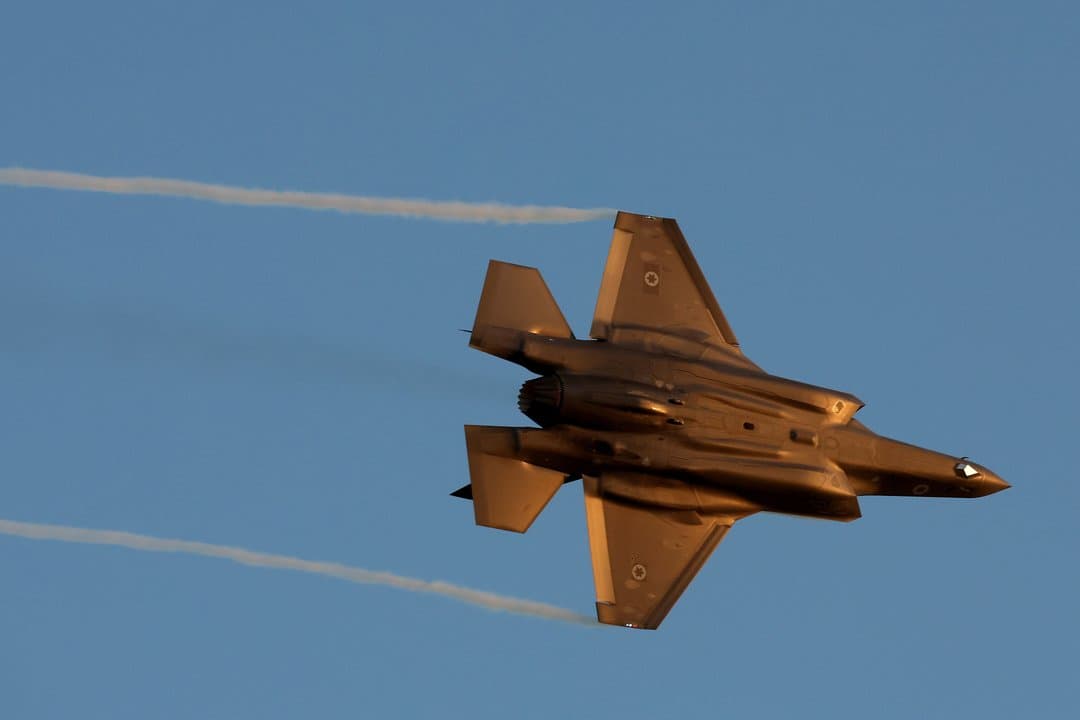
Following Israeli strikes that penetrated deep into Iranian territory and destroyed key air defenses with minimal resistance, Russian military observers began to openly question the reliability of their own systems.
According to Russian military forums and unofficial comments shared on pro-Kremlin channels, the Israeli operation has reinforced existing doubts about Russia’s ability to withstand a coordinated attack from a technologically advanced adversary like NATO. As one commentator put it, “everyone here understands that this is exactly what would happen to Russia if any NATO country decided to act.”
While Ukraine relied on cost-effective systems—such as HIMARS launchers, modified drones, and older-generation AGM-88 HARM anti-radar missiles—to weaken Russian defenses, Israeli strikes against Iran were conducted using large-scale, advanced cruise missiles and multi-layered air attack strategies. Despite these differences in scale and complexity, the results revealed similar shortcomings in the Russian and Iranian air defense architectures—many of which stem from common design principles and legacy platforms.
Defense analysts in Moscow reportedly acknowledge that Iran's systems - some of them based on or directly derived from Russian technology - were unable to provide sustained resistance even on the second day of Israeli airstrikes.
Russia’s concerns are also fueled by concrete data. According to the independent monitoring group Oryx, Russia has lost at least 335 air defense systems since the start of its full-scale invasion of Ukraine in February 2022. These losses include 18 S-400 launchers, one S-350, more than 30 Pantsir-S1 units, and nearly 60 Tor systems. These figures are based on visually confirmed battlefield losses and are considered conservative estimates.
While Russia has repeatedly praised the effectiveness of systems like the S-400 in deterring Western aircraft and missiles, combat experience in Ukraine suggests otherwise. The consistent effectiveness of Ukrainian HIMARS strikes and drone attacks—some of which were carried out using relatively inexpensive platforms—has led to growing skepticism about Russia’s claims that it has a fully developed and resilient air defense network.
Now, as Russia-backed Iranian defenses collapse in the face of an Israeli campaign, Moscow’s military establishment is being forced to reassess both doctrine and capabilities, according to Defense Blog. Fears are increasingly being expressed openly that Russia’s strategic missile sites and high-value infrastructure could be destroyed within hours in a NATO-led operation.
While Israel's campaign was not directed against Russia, it demonstrated what advanced, coordinated air power can achieve against outdated or poorly integrated air defenses - many of which are directly linked to Russian systems.
As the air war over Iran enters its next phase, its repercussions are being felt far beyond the Middle East. The message for Moscow is clear: if Tehran's defenses have not worked so quickly, similar vulnerabilities may exist much closer to home.