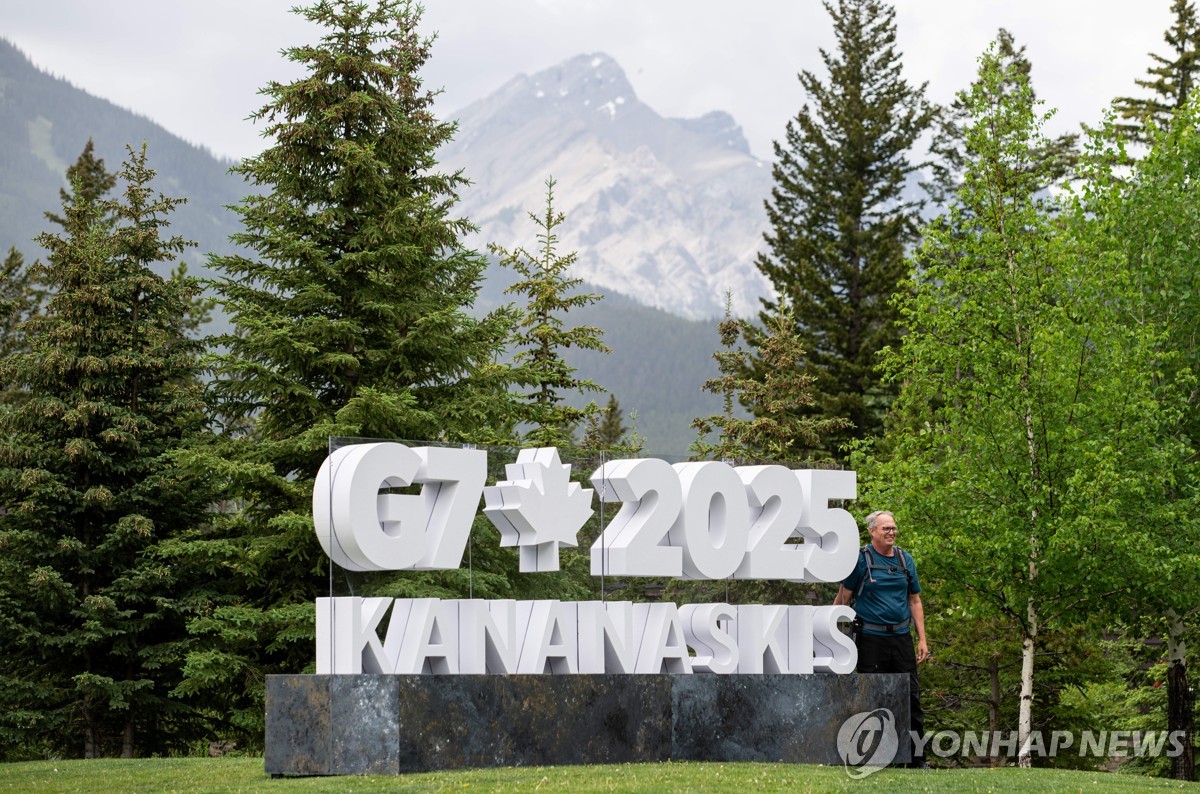

US Tariff Policy Also a Key Issue… Member Countries’ Leaders Pay Attention to Trump’s Attitude
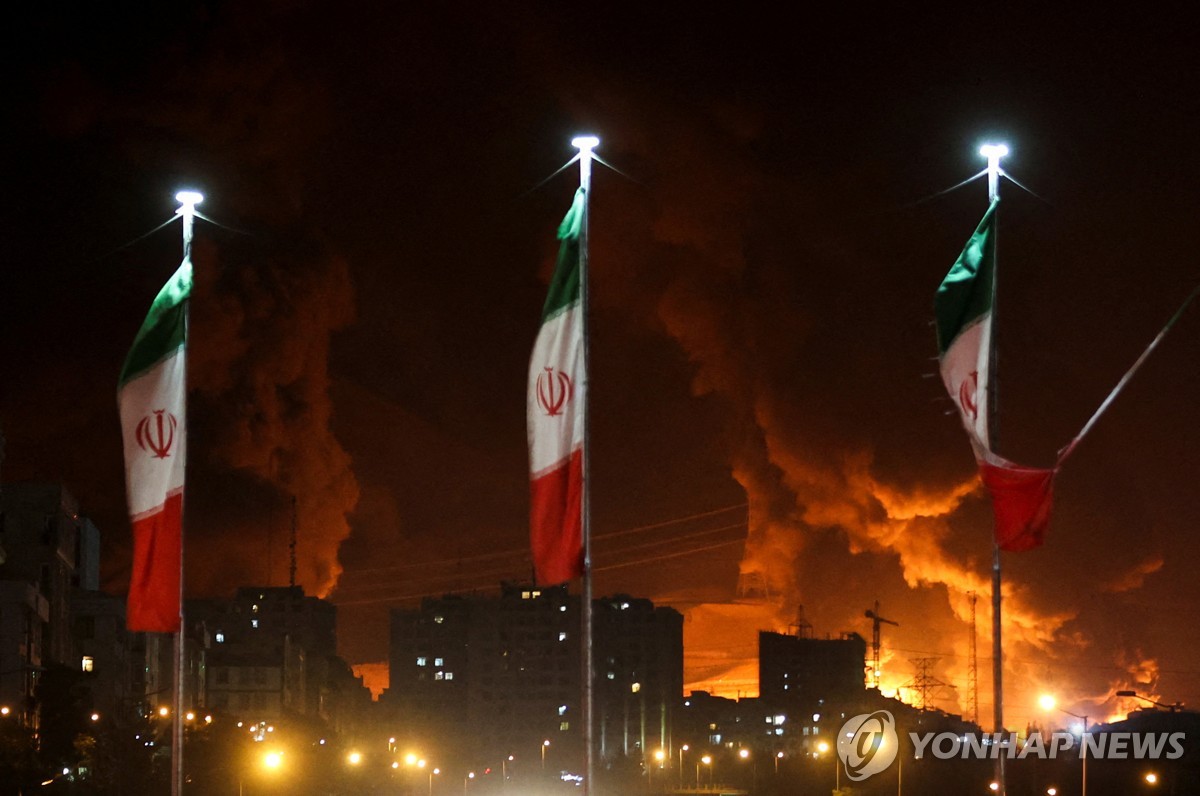
(Seoul = Yonhap News) Reporter Koh Il-hwan = The armed conflict between Israel and Iran is expected to be the biggest issue at the Group of Seven (G7) summit held in Canada this week.
The British Broadcasting Corporation (BBC) reported on the 14th (local time) that the G7 leaders who gathered immediately after Israel's airstrikes on Iran had to reduce the time they had to discuss other issues and focus on the issues of Israel and Iran.
Because the conflict between Israel and Iran could pose a major threat not only to the economy, causing oil prices to spike, but also to global security.
However, it appears that it will be a difficult task for the G7 leaders to reach a common position on the issues of Israel and Iran.
Earlier, British Prime Minister Keir Starmer and French President Emmanuel Macron urged Israel and Iran to show restraint and ease tensions, but Japanese Prime Minister Shigeru Ishiba criticized Israel, saying it was"unacceptable."
In contrast, US President Donald Trump praised Israel's attack as"excellent."
Even if we discuss the conflict between Israel and Iran, which has suddenly emerged as a major issue, it is a situation where only differences of opinion are likely to be highlighted.
In fact, Canadian Prime Minister Mark Carney, who holds the G7 presidency this year, seemed conscious of President Trump, who is making his first international appearance since taking office as a second term member, even during the agenda-setting process.
The agenda was relatively straightforward, with issues such as energy security, protecting the mineral supply chain, and responding to wildfires, and climate change was intentionally given less weight, perhaps to avoid a clash with President Trump.
Canada also plans to hold this year's meeting in a format that will see simple individual statements issued instead of a joint summit statement, given the differences in positions among member countries.
Canada's relationship with President Trump had previously soured during the 2018 G7 summit due to differences in opinions on tariffs and other issues.
President Trump withdrew his support for the joint statement, calling then-Canadian Prime Minister Justin Trudeau"dishonest and weak."
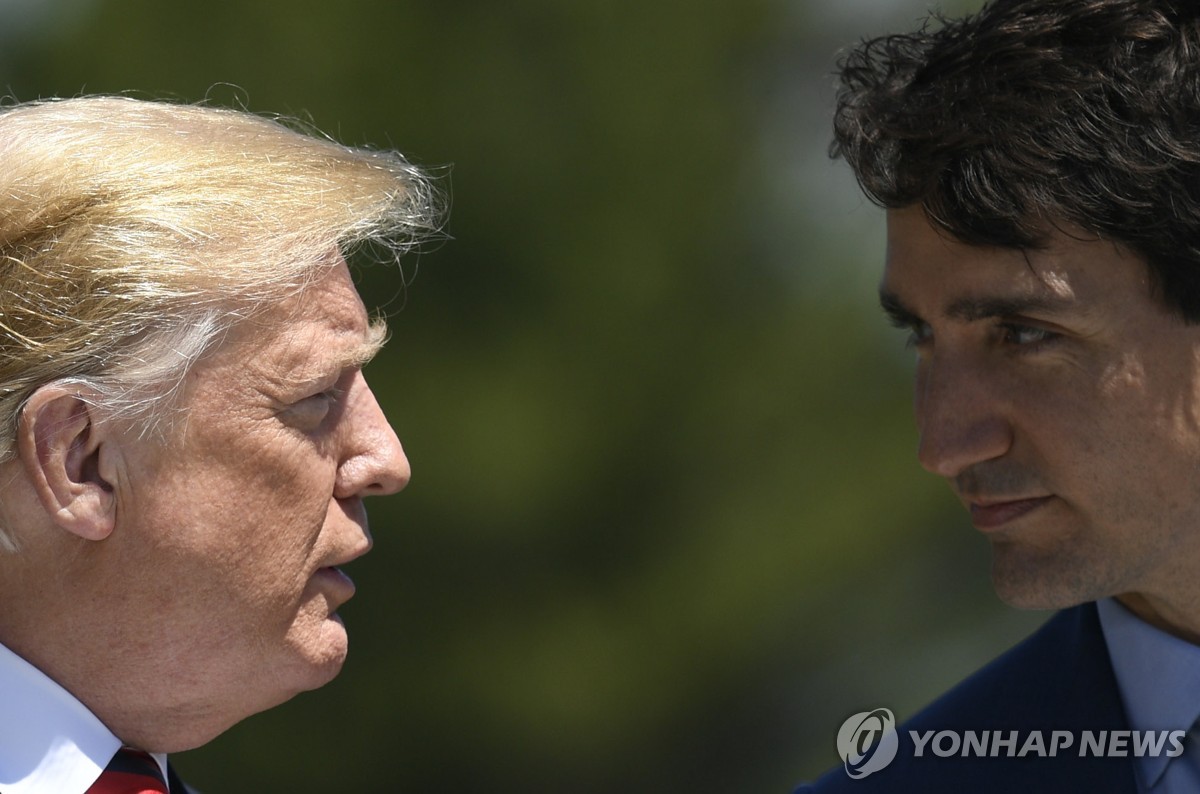
It has been reported that not only Canada but also other member states' leaders are paying close attention to how President Trump will perform at this summit.
However, some analysts say that whether or not there will be substantive discussions on President Trump's tariff policy at this summit will test the very reason for the G7's existence.
The goal is for member states' leaders to send a clear message to President Trump that his tariff policies are not in the best interests of the global economy or the United States.
However, some question whether annual meetings such as the G7 summit are still meaningful, as President Trump prefers bilateral deals over multilateral agreements.
The war in Ukraine is also a major topic.
The argument is that the G7 should take the lead in strengthening economic sanctions against Russia in order to bring Russian President Vladimir Putin to the negotiating table.
The European Union (EU) wants the price cap on Russian crude oil, currently at $60 per barrel, to be lowered to $45, while Ukraine is insisting on $30.
It is unclear what President Trump's position on this is.
Ukrainian President Volodymyr Zelensky is expected to attend the meeting on the 17th to directly confirm the direction of U.S. policy toward Russia.