
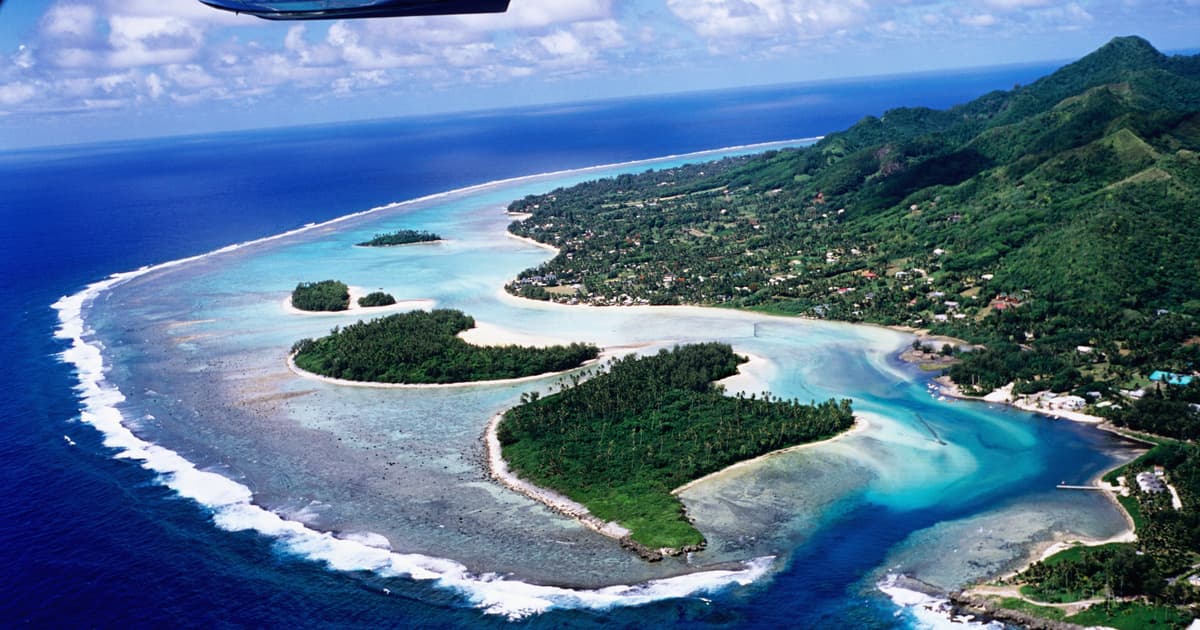
One of the world’s fastest-growing ship registry companies is based in an office in the Cook Islands, where dozens of tankers suspected of smuggling Russian and Iranian oil are using the Pacific nation’s flag to cover their tracks. The United States has placed 20 tankers suspected of smuggling Russian and Iranian fuel in 2024-2025, and another 14 are on the British sanctions list.
New Zealand called it alarming and outrageous that sanctions efforts could be so easily undermined by a company based in a Pacific nation. Auckland has warned the Cook Islands government on several occasions, and New Zealand Foreign Affairs spokesman Winston Peters said it was a completely unacceptable and unsustainable foreign policy move.
The company, Maritime Cook Islands, denies that it failed to carry out proper inspections or that it is hiding ships subject to sanctions, claiming that such tankers are removed from the register.
The operation of the"shadow fleet"
Western sanctions are aimed at cutting off Iran and Russia from oil revenues. Anton Moiseienko, a sanctions expert at the Australian National University, said there are several countries around the world that are consistently enforcing sanctions against Russian oil companies and would not allow Russian tankers to fly their flags. The Cook Islands is not one of them.
The company is registered in the United Arab Emirates and was accused in April of smuggling millions of dollars worth of fuel for the Iranian military across the Persian Gulf. The tankers owned by the company are registered in Barbados, Gambia, Panama and the Cook Islands. They are part of a smuggling network known as the “shadow fleet”, which evades sanctions by posing as legitimate cargo ships, using the flags of countries that are less strict about enforcing sanctions. Often, even the registries are unaware of the ship’s true purpose.
Lloyd's List named Maritime Cook Islands the world's fastest-growing shipping company in 2024. Moiseienko noted that a number of ships flying the Cook Islands flag were identified as part of a shadow fleet. A few months later, it was revealed that the tanker Eagle S had damaged five undersea cables in the Baltic Sea. Finnish investigators determined that a ship flying the flag of the Pacific nation had carried out an act of sabotage by dragging its anchor along the seabed.
'Flags of convenience' in the Pacific
Ship registries are a great way for Pacific island nations to generate revenue for their coffers. Not only Russia and Iran are taking advantage of this opportunity, but North Korea is also using the registries of Palau and Tuvalu. Exact figures have not been released, but Palau estimates that a 30,000-ton tanker pays a registration fee of $10,000.
If a foreign-owned ship is allowed to sail under the flag of another country, it is called a flag of convenience. These are needed because countries under sanctions thus seek help from states that are unwilling or unable to enforce Western sanctions. According to a 2024 report by the European Parliament, one of the most important such countries is the Cook Islands.
Maritime Cook Islands operates its registry as a private company under a government mandate and is overseen by the country's transport authority. Government revenue from shipping fees has increased by more than 400 percent in the past 5 years. Although the company stressed that any ships accused of evading sanctions are quickly removed from the registry and that all inspections have been carried out, there are still several tankers sailing under the Cook Islands flag.
The events of the Russian-Ukrainian war are being continuously followed by Index, and our live news feed for Tuesday can be accessed by clickinghere.