

A "deal of eternal peace" – that's what US President Trump called it. But it's certainly not eternal – it's more like a hasty deal with many unanswered questions. War could break out again at any time.
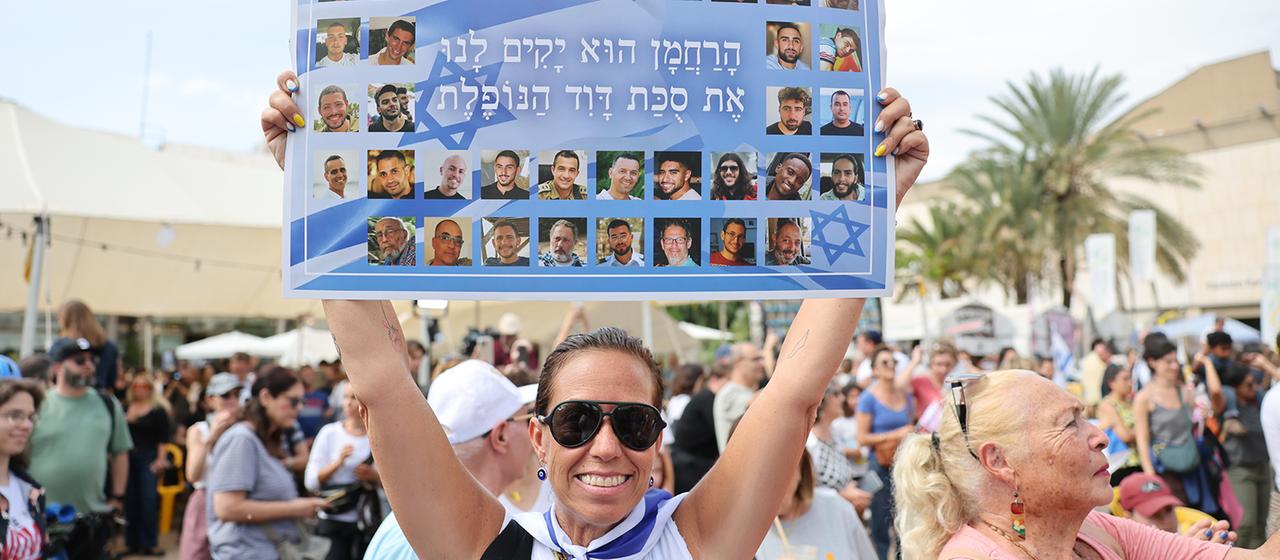
Champagne corks pop at the so-called Hostage Square in Tel Aviv. The families of the kidnapped people have hope. What a rollercoaster of emotions, it's hard to imagine. And everyone is thanking US President Trump. And indeed: This time, everything looks as if it will happen, that all the hostages will return, that the war will truly end for the desperate people in Gaza.
Some things actually point to an end to the war. The terrorist organization Hamas has agreed to release all its hostages at once. This is a true innovation. In return, Israel will withdraw behind an agreed-upon line in Gaza and release nearly 2,000 prisoners, many of them murderers. The deal appears to be a done deal.
Joy obscures warning signs
But in their euphoria, many are overlooking the warning signs. Warning signs that war could break out again at any time, even with Trump's peace deal. Hamas is supposed to lay down its weapons. Essentially surrender. A no-go for a terrorist organization that doesn't care about the lives of its own people. Anyone who listens closely will realize that only partial disarmament is being discussed. Hamas is supposedly only supposed to hand over heavy weapons such as rockets, their launchers, mortar shells, and rocket-propelled grenades.
This would mean that the terrorist organization, which is skilled in guerrilla warfare, would still pose a threat to both Israeli troops and the international security force announced by Trump, which is supposed to maintain order in Gaza. This is also the view of the survivors of the October 7 attacks, who lived in the Gaza Strip in close proximity to Hamas. They do not believe in peaceful coexistence with their neighbors in Gaza. Many do not want to return until Hamas is completely defeated.
Deal leaves many questions unanswered
Hamas is also sending warning signals. With an eye on the post-war order, it is preemptively announcing difficult negotiations. It wants to continue to play a role in a Palestinian transitional government – a red line for Israel. The political future of the Gaza Strip is also completely unclear. And so the deal leaves many questions unanswered.
Anyone who ignores the joyful chants for a moment and listens to Israeli Prime Minister Benjamin Netanyahu understands that his concern isn't exclusively about ending the war. He also wants to free the Israeli hostages in the first phase of the peace plan—not least to quell the protests against it. After all, elections are coming up next year. Netanyahu's ultra-right coalition partners have also announced their opposition.
What if the hostages' bodies are missing?
And there's another imponderable: Hamas might not be able to find all the dead hostages. What would that look like if everything was being prepared for Trump's visit this weekend—with an honorary reception, a speech before the Knesset—and the bodies were missing? Perhaps that's why the ceremony is taking place before the deal has gone through. According to the current plan, the live hostages are to be handed over on Sunday and the dead ones on Monday. By then, Trump would be gone again.
And the war in Gaza? Any spark could reignite the conflict. But the history books about this hasty deal had already been written.