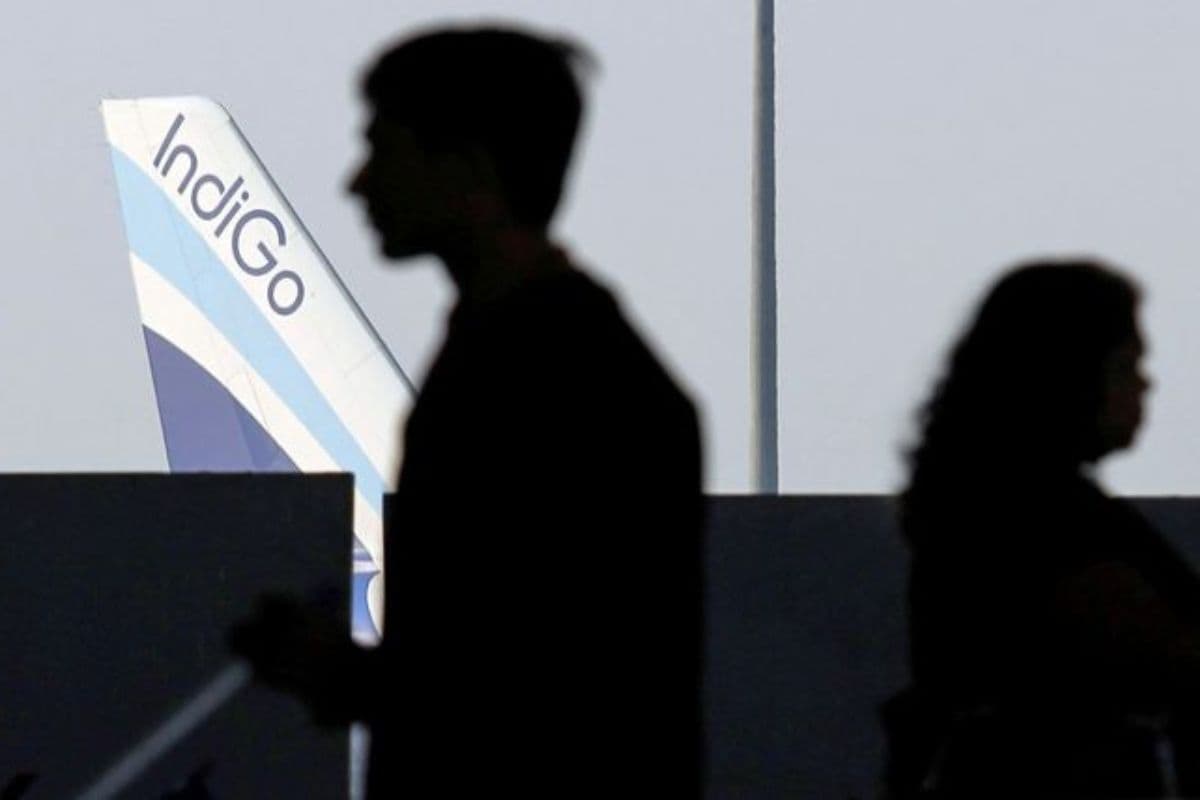
India’s aviation industry grappled to limit the consequences of the IndiGo crisis, as operational disruptions continued to inconvenience thousands of travellers.
The cancellations of thousands of IndiGo flights since Wednesday led to airfares skyrocketing for domestic sectors by more than 10 times. On Saturday, the government intervened and capped airfares after IndiGo cancelled a further 385 flights.
India caps airfares amid IndiGo turmoil
Bengaluru was the hardest hit city by Saturday’s cancellations, with 124 flights affected. There were 109 cancellations in Mumbai, 86 in New Delhi and 66 in Hyderabad, Reuters reported.
Fares were last capped by the government during the COVID-19 pandemic in 2020 and a Civil Aviation Ministry spokesperson said it would “continue to closely monitor fare levels through real-time data and active coordination with airlines”.
The Ministry of Civil Aviation ordered a nationwide cap on domestic airfares, ordering the airlines not to charge above the newly fixed maximum fares which have been introduced in the public interest to stabilise prices until operations return to normal.
Under the cap, the maximum fares allowed are: INR7,500 (US$83.2/AED306) for routes up to 500kms; INR12,000 (US$133/AED487) for 500 to 1,000kms; INR15,000 (US$166.4/AED611) for 1,000-1,500kms, and INR18,000 (US$200/AED734) for routes above 1,500kms.
The civil aviation ministry, on Saturday, directed IndiGo to complete all ticket refunds for cancelled flights by Sunday evening and ensure that any baggage separated from passengers is delivered within the next 48 hours.
The ministry warned that any delay or non-compliance in processing refunds would attract immediate regulatory action. It added that passengers affected by the cancellations should not be charged rescheduling fees.
Meanwhile, Air India and Air India Express said they have been proactively capping economy-class fares on all non-stop domestic flights since December 4.
Airlines boost capacity after cancellations
The airlines said the move was aimed at ensuring the demand-and-supply-based pricing typically used by automated revenue management systems does not burden travellers during the current surge in domestic travel.
An Air India spokesperson said: “It is not technically possible to cap all such permutations, but we are engaging such platforms to exercise oversight.”
Air India and Air India Express added that they are working to add more capacity to help travellers.
IndiGo cancelled thousands of flights this week due to a shortage of pilots after it failed to plan adequately for new rules limiting pilots’ work hours.
On Friday, the government extended special relief to the airline, giving it time until 10th February 2026 to comply with the new rules.
The new pilot rest and duty rules capped the number of night landings to two from six and restricted the maximum number of hours a pilot can fly in the night to 10 hours.