
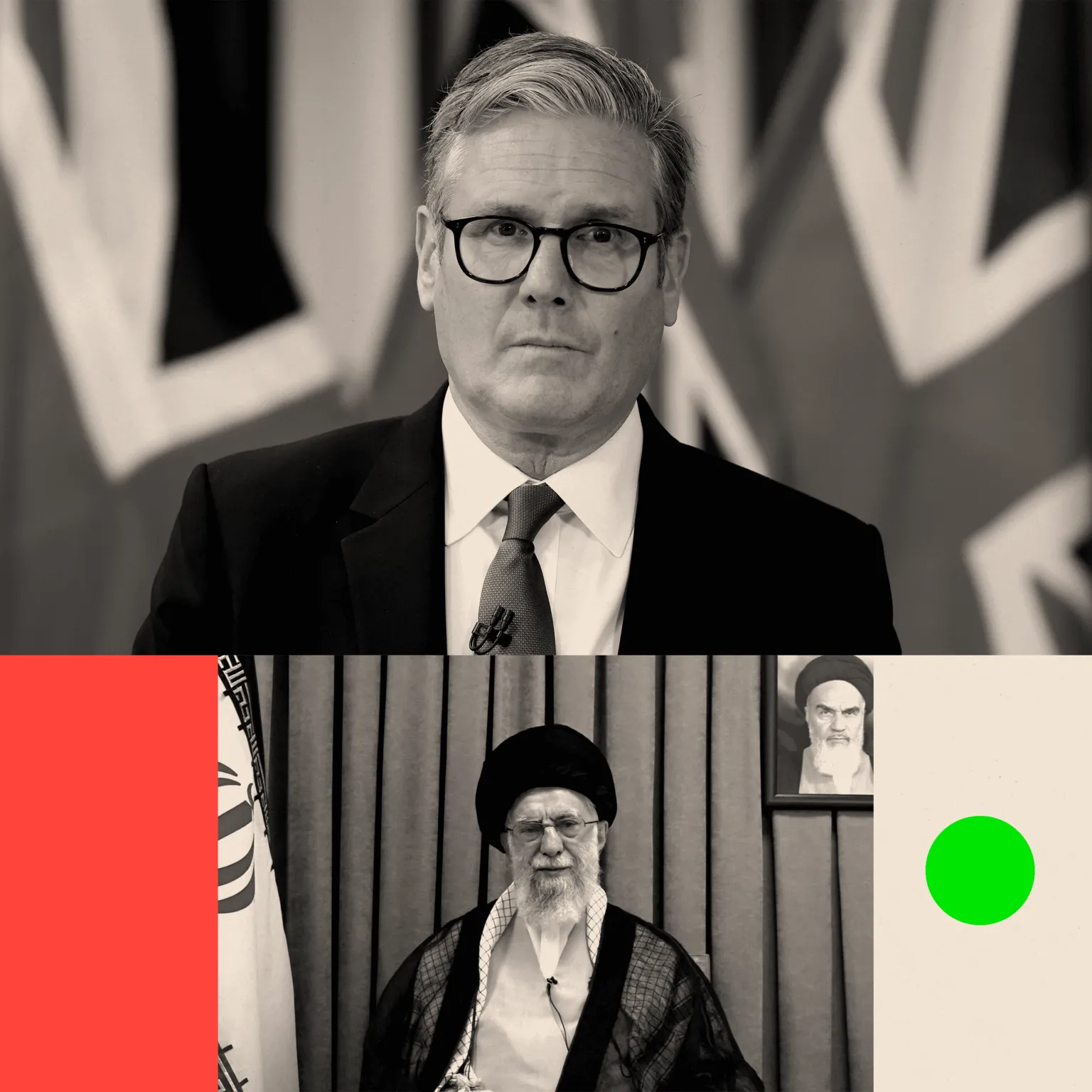
"If this is true, all our troubles are over."
A British businessman fast running out of cash, William Knox D'Arcy, is said to have uttered those words when he received a telegram from Persia, 113 years ago.
Oil had been discovered, after years of failed explorations under Knox D'Arcy, who had been granted the rights to hunt for the black stuff at the turn of the century.
For him, striking oil was to provide a second fortune after he'd made millions from Australian gold.
For the UK, Persia - later to become Iran - and for the rest of the world, it was the moment the Middle East's financial and political fortunes became linked to the West like never before.
Knox D'Arcy's cash problem might have been solved. But the troubles in the region were far from over.
This weekend, although ministers want to concentrate on their plans to make it easier to do business at home ahead of their industrial strategy being published next week, two big questions hang heavy.
What happens next in the hottest of conflicts in a vital region? And does the UK play a role?
Whether you like it or not,"it should matter, and it does matter" to the UK, according to one Whitehall source.
There is the fraught tangle of history. Not just the fortune from the first discovery of oil going into British coffers at the start of the last century.
But also the UK's involvement in overturning the government in 1922, invading with the Russians during World War Two, backing another coup in 1953, then along with America, propping up the Shah until his exit in 1979, after months of turbulence and increasing protest against his regime. You can watch amazing archive of his departure here.