
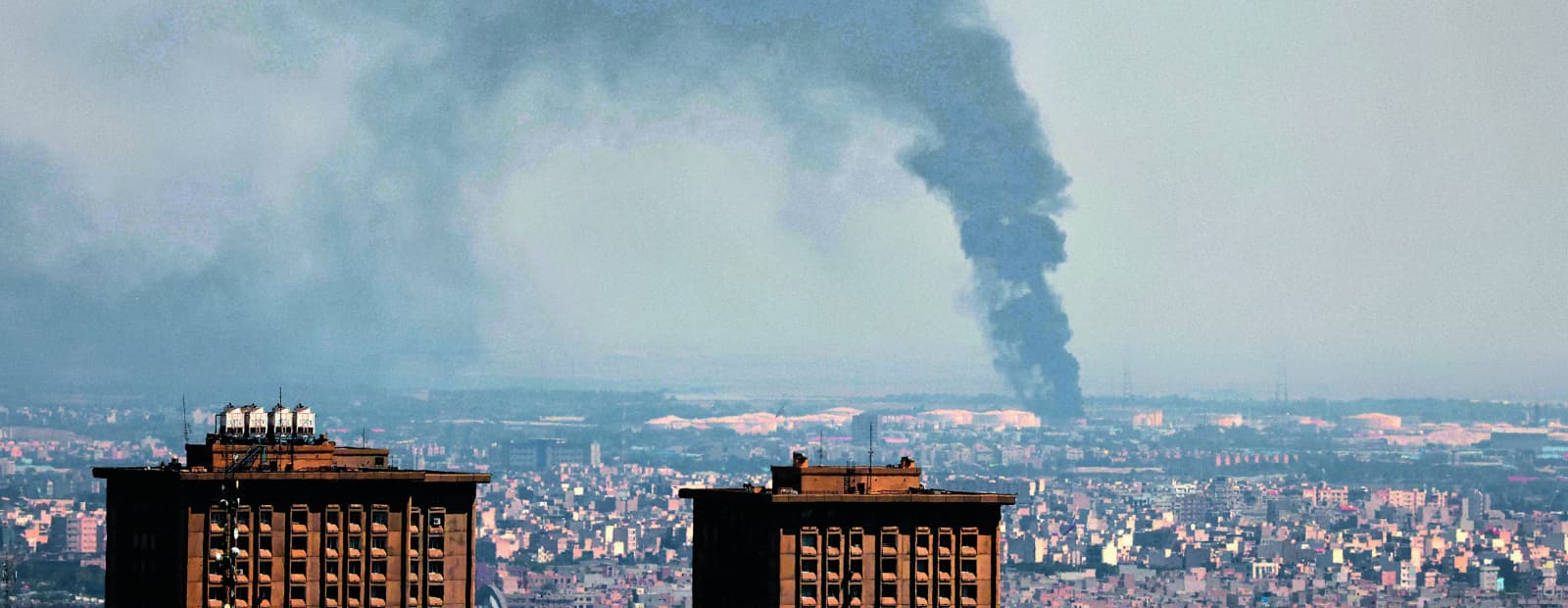
The outbreak of open armed conflict between Israel and Iran on June 13 of this year was essentially an inevitable part of the course of geopolitical processes in the region over the past 25 years or so. The Middle East topic is, of course, an extremely broad one in itself, but in this case it is important that for more than two decades – after the US invasion of Iraq following the terrorist attacks of September 11, 2001 – the previous balance in the region, in the existence of which Iraq played a very significant role, has been disrupted. Consequently, the basis of the Israeli-Iranian conflict is not only ideology (the denial of the right of the state of Israel to exist plays a significant role in Iran’s official ideology) or existential threats. It is also a struggle over what the new regional order will look like and which of the three main military powers in the region – Israel, Iran or Turkey – will subordinate it to their own desires, perceptions and interests.
DEEPER CAUSES
In the case of Israel, the fact that, for various reasons, it is at least officially considered by Western countries as a Western outpost in the Middle East, which essentially lives surrounded by"barbarians" and under constant existential threats, is also very important. This justifies support for the Jewish state with all available resources, including military ones. Western countries, and first of all the USA, also play a very important role in efforts to create a new balance in the region. First, after September 11, 2001 and the collapse of Iraq, the prevailing view was that such balance and stability would be ensured by the transformation of the countries of the region into liberal democracies, but the ambitious efforts to start"exporting democracy" ended with bloody civil wars, the emergence of various radicals and the collapse of several countries.
The beneficiary of this situation turned out to be Iran, for which the collapse of Iraq allowed it to create its own axis of resistance, or the so-called Shiite crescent, radically increasing its influence in the region. The threat posed by Iran to Israel from being essentially ideological and theoretical became quite real for this reason,