

A disruption of flows in this area would put not only the United States, but also Asia and Europe in serious trouble and could send crude oil prices up to $120 per barrel.
The United States attacks Iran, live
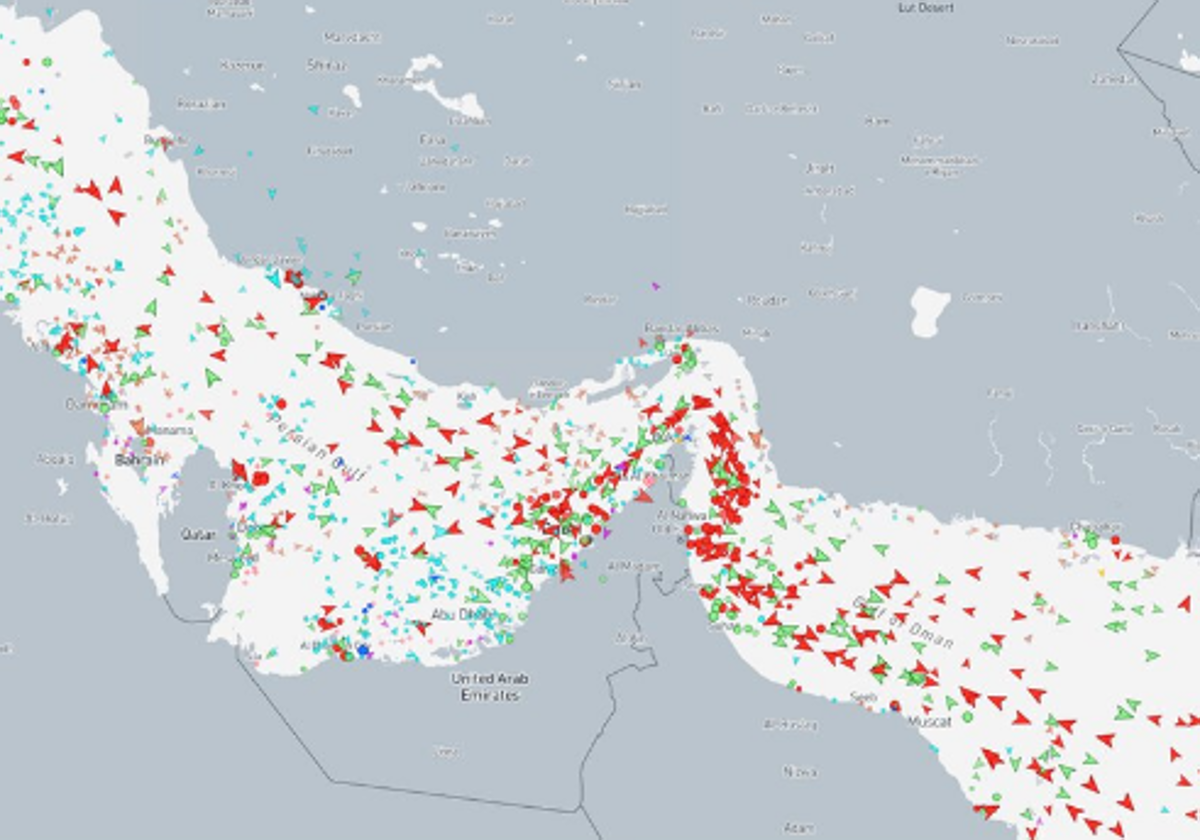
The Islamic Consultative Assembly, Iran's parliament, has proposed closing the Strait of Hormuz, one of the world's most strategic shipping lanes, in retaliation for last night's US attack on the country's nuclear facilities. The final decision will rest with Supreme Leader Ayatollah Ali Khamenei, according to Europa Press.
According to statements reported by Iranian public broadcaster, General Esmaeil Kousari, a member of the Parliament's National Security Commission, has confirmed that the chamber has come to the conclusion that the strait should be closed, but the resolution is up to the Supreme National Security Council.
The tension has provoked an immediate reaction in the region: according to Iranian media, numerous ships have begun to leave the Strait of Hormuz area. Furthermore, Iran produces around 3.3 million barrels of oil per day and exports nearly 1.7 million. Therefore, any escalation of the war in this area could seriously disrupt the global supply of crude oil, with immediate consequences for international stability. There are fears that, when the markets open tomorrow, they will face a surge in inflation and a global energy crisis.
Importance of the Strait of Hormuz
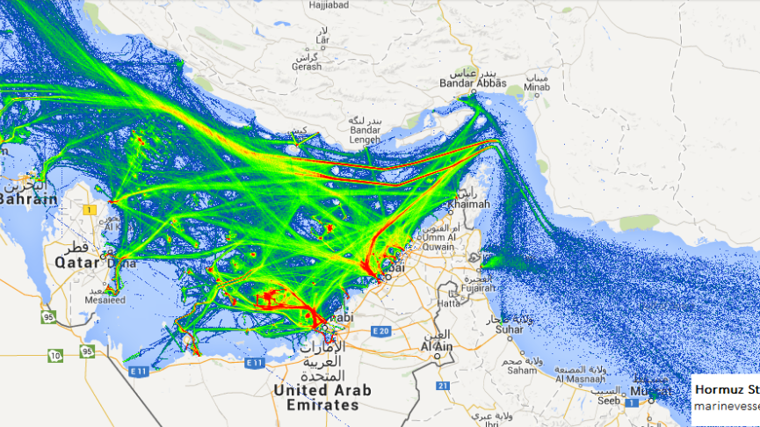
The Strait of Hormuz is a choke point, vital to the functioning of the world in the 21st century. This passage, barely 30 kilometers wide at its narrowest point, channels raw materials, electronics, and a large portion of the oil and gas exports from the Gulf countries (Saudi Arabia, the United Arab Emirates, Kuwait, Iraq, Qatar, and Bahrain) to Asia—especially China and India—North America, and Europe.
It is a natural outlet and the shortest route for all crude oil producers in the area. As well as the ideal passage for the world's largest oil tankers. In 2023, 12% of the oil consumed in Spain already passed through this strait, according to data from the Strategic Petroleum Product Reserves Corporation (CORES).
Any obstruction in this strategic funnel is like putting a house of cards at risk of collapsing, causing trade and energy security to suffer, altering military and diplomatic stability, and even feeling the direct consequences in our pockets.
Energy experts, such as Warren Patterson, head of commodity strategy at ING Research, had already warned that a significant disruption to crude oil supplies could push crude prices to as high as $120 per barrel, Patterson explained. And if these disruptions continue until the end of the year, Brent could reach new all-time highs, even surpassing the record of nearly $150 per barrel set in 2008.
Gonzalo Escribano, an energy expert at the Elcano Royal Institute, points out that if Iran or one of its allies, such as the Houthis, decides to blow up an export facility that serves as an alternative to crossing the Strait of Hormuz, we are already talking about a very important issue. Because beyond issues of supply or prices, a generalization of geopolitical instability throughout the Middle East would be such a brutal geopolitical disturbance that it would truly have an impact that goes beyond energy, he says.