

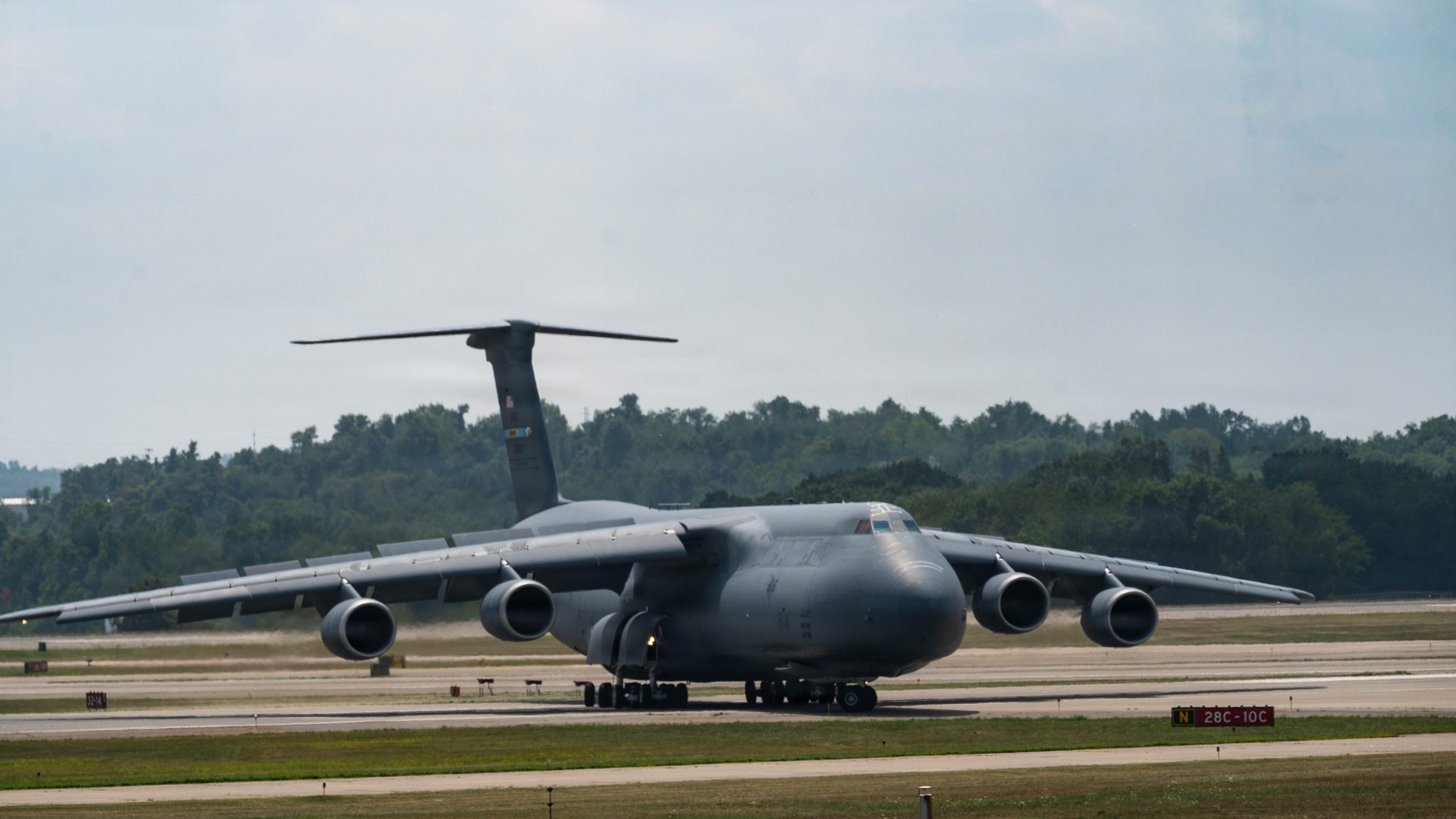
The United States is accelerating its military deployment to two airports in the Dominican Republic, a new enclave for Operation Southern Spear, after Secretary of Defense Pete Hegseth and President Luis Abinader agreed to join forces against drug cartels in the Caribbean Sea.
As was also stated on the day it was signed, last Wednesday, it lasts until April, meaning it is temporary, until April of next year, Abinader pointed out to the media in recent days when asked about the duration of the loan of the San Isidro Air Base and the Las Américas International Airport (AILA).
It is to combat drug trafficking, especially air and sea interdiction, the Dominican president argued at the time.
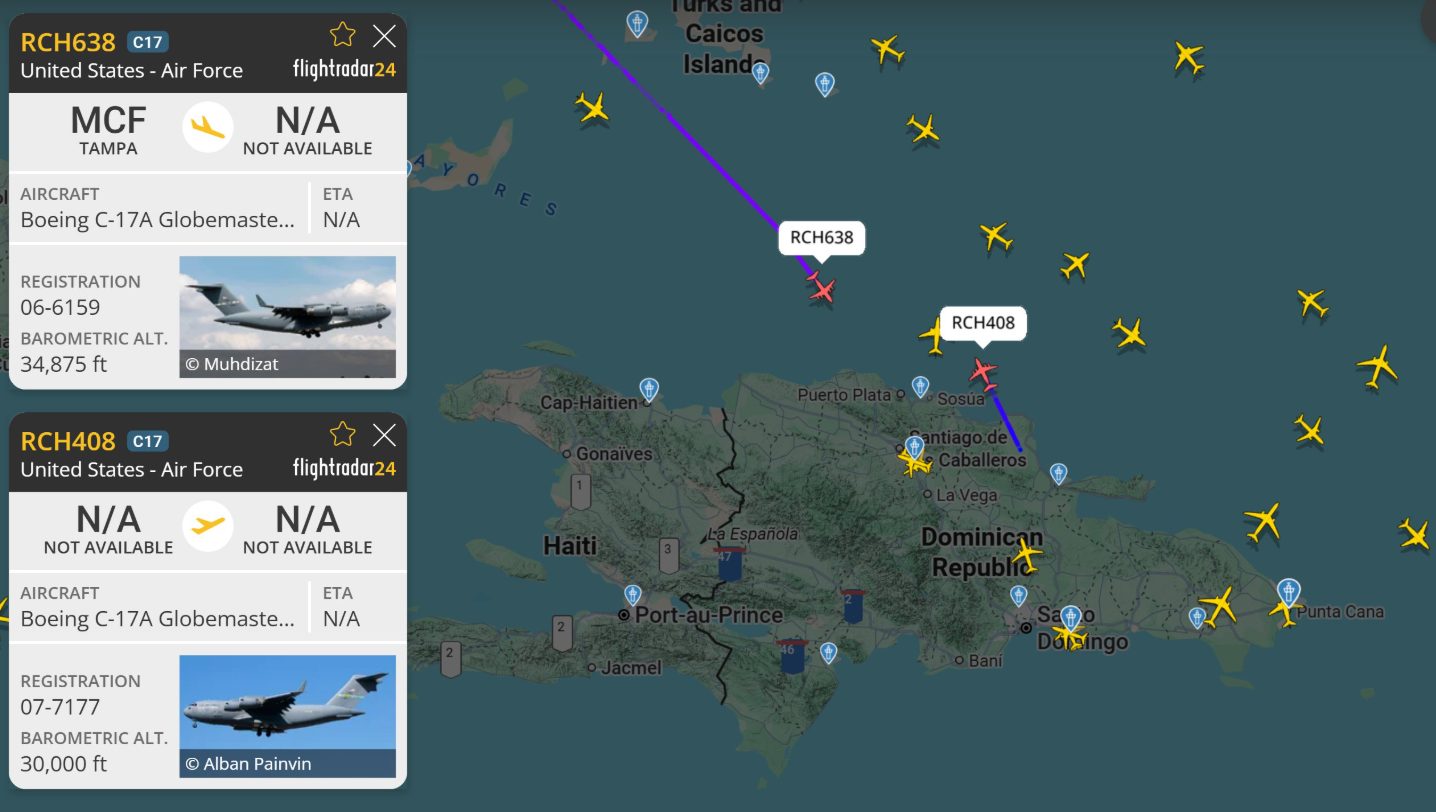
Since the agreement was formalized last week, the Southern Command has sent multiple C-130 Hercules and C-17 Globemaster III military cargo planes, as well as KC-135 Stratotanker tanker aircraft, with a range of up to 9,000 kilometers and a specialized design for in-flight refueling of other aircraft.
Most had previously taken off from MacDill Air Force Base, located in Tampa, Florida.
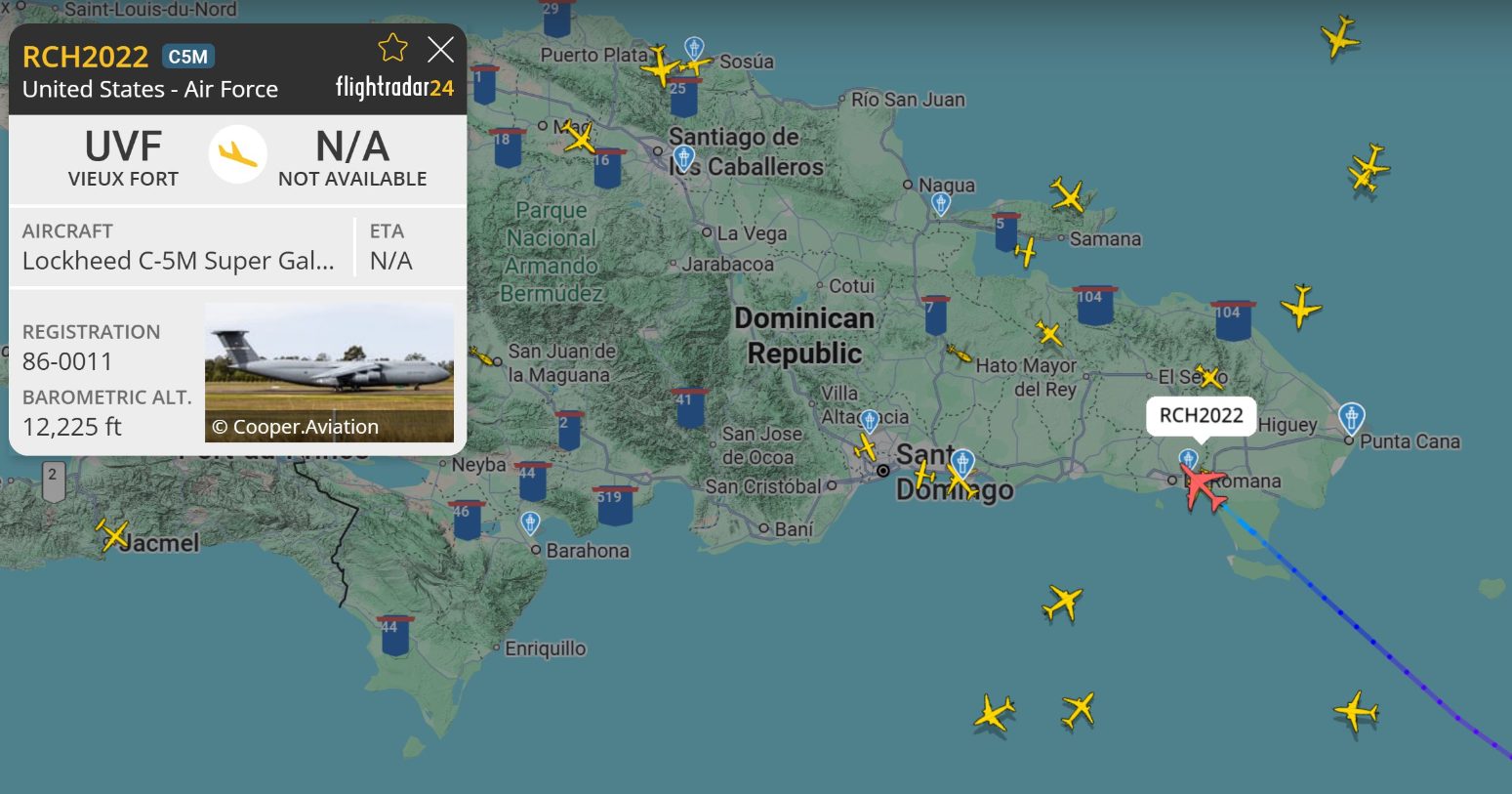
As if that weren't enough, this Sunday a US C-5M Super Galaxy aircraft landed at the San Isidro Air Base from Vieux Fort, Saint Lucia, marking a milestone in the scope of the deployment in the Dominican Republic.
San Isidro Air Base was inaugurated in 1953 and has since become the epicenter of most of the Dominican Air Force's assets. It has a 2,134-meter-long runway, sufficient for the landing of American cargo planes.
Several Brazilian-made EMB 314 Super Tucano aircraft are stationed at the base, ready to attack drug traffickers on the island.
The Las Américas International Airport, located in Santo Domingo, has a main asphalt runway approximately 3,355 meters long. It is the second busiest airport in the country and one of the most active cargo hubs in the Caribbean and Central America.
Initially, this deployment does not include fighter jets or bombers, although it could be considered in the event of a regional emergency.